Apply For FG TVET Program 2026: Batch B Registration, Requirements & Payment Details
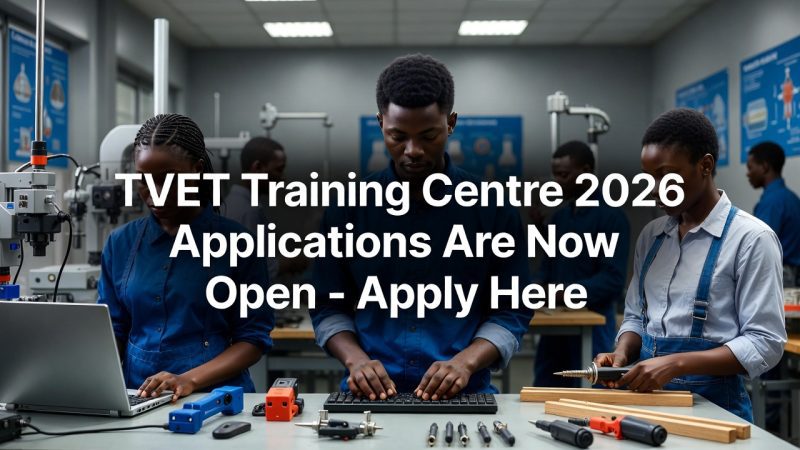
The Federal Government of Nigeria, through its various agencies, is committed to empowering its citizens with practical, in-demand skills that foster self-reliance and contribute to national economic growth. The Technical and Vocational Education and Training (TVET) program is a cornerstone of this initiative, offering individuals the opportunity to acquire specialized knowledge and hands-on expertise in a wide array of trades and professions. As the 2026 application window approaches, prospective participants are eager to understand the intricacies of the FG TVET Program, particularly for Batch B.
This comprehensive guide will walk you through everything you need to know about applying for the FG TVET Program in 2026, focusing on Batch B. We will cover the registration process, eligibility requirements, essential documents, payment details, and crucial tips for a successful application. Whether you are a recent graduate, a job seeker, or someone looking to upskill, this article is your definitive resource.
Understanding the FG TVET Program
The FG TVET Program is designed to bridge the skills gap in Nigeria by providing structured training in vocational and technical fields. Its primary objectives include:
- Enhancing Employability: Equipping participants with skills that are highly sought after by employers in various sectors.
- Promoting Entrepreneurship: Empowering individuals to start their own businesses and become job creators.
- Reducing Unemployment: Providing viable career pathways for young Nigerians.
- Boosting Industrial Growth: Supplying the nation with a skilled workforce capable of driving industrial development.
The program typically operates in batches, with each batch undergoing a specific application and training cycle. Batch B for the 2026 intake represents a significant opportunity for many to access quality vocational training.
Key Dates and Application Timeline for Batch B 2026
While the official announcement for the FG TVET Program 2026 Batch B is yet to be made, it is crucial to stay informed about potential timelines. Historically, application periods for such programs often follow a pattern. We can anticipate the following general timeline, though it’s essential to verify with official announcements:
- Application Opening: Typically, applications open in the latter half of the preceding year or the early part of the application year. For 2026, expect announcements around late 2025 or early 2026.
- Application Closing: The application portal usually remains open for a period of 4-8 weeks. It is vital to note the closing date to avoid missing the opportunity.
- Screening and Shortlisting: After the application closes, there will be a period for reviewing applications and shortlisting candidates. This might involve aptitude tests or interviews.
- Training Commencement: Successful candidates will be notified, and training is expected to commence in mid-to-late 2026.
Actionable Tip: Regularly check the official websites of the Federal Ministry of Labour and Employment, the National Directorate of Employment (NDE), and other relevant government agencies for the most up-to-date information on application dates. Setting up email alerts or following their social media channels can also be beneficial.
Eligibility Requirements for FG TVET Program 2026 (Batch B)
The FG TVET Program aims to be inclusive, but certain criteria must be met by all applicants. While specific requirements may be refined for the 2026 intake, the general eligibility criteria usually include:
1. Citizenship and Age
- Citizenship: Applicants must be bonafide Nigerian citizens.
- Age: While specific age brackets can vary, the program generally targets individuals within a productive age range, typically from 18 to 35 years old. Some specialized programs might have slightly different age limits.
2. Educational Qualifications
The educational requirements depend on the specific trade or skill being offered. However, common qualifications include:
- Basic Literacy and Numeracy: For entry-level programs, a basic understanding of reading, writing, and arithmetic is usually sufficient. This might be evidenced by a First School Leaving Certificate.
- Senior Secondary School Certificate (SSCE) / GCE / NECO: For many technical courses, a WAEC, NECO, or GCE certificate with passes in relevant subjects is required.
- National Technical Certificate (NTC) / National Business Certificate (NBC): For advanced or specialized TVET programs, prior possession of NTC or NBC might be an advantage or even a requirement.
- National Diploma (ND) / Higher National Diploma (HND): In some cases, individuals with ND or HND qualifications might be eligible for specialized upskilling or advanced training modules.
Example: An applicant wishing to train as an automotive technician might need an SSCE with credits in Mathematics, Physics, and English. An applicant for a digital marketing course might require an SSCE with passes in English and any arts or commercial subject.
3. Other Requirements
- Residency: Applicants may be required to demonstrate residency in the state or region where they are applying.
- Marital Status: This is generally not a criterion for eligibility.
- Employment Status: The program often targets unemployed or underemployed individuals. However, some upskilling components might be open to those already in employment seeking to enhance their skills.
- Physical and Mental Fitness: Applicants may be required to be physically and mentally fit to undertake the training.
Important Note: Always refer to the official program advertisement for the precise and most current eligibility criteria for Batch B 2026. Requirements can be updated annually.
How to Apply: Step-by-Step Registration Process
The application process for the FG TVET Program is typically conducted online to ensure efficiency and accessibility. While the exact portal and steps might vary slightly, here’s a general outline of what to expect for Batch B 2026:
Step 1: Identify the Official Application Portal
The first and most crucial step is to locate the authentic application portal. This is usually announced through official government channels. Be wary of unofficial websites or social media links that might be scams.
Likely Portals:
- National Directorate of Employment (NDE) Website: The NDE is often the primary implementing agency for many FG TVET initiatives.
- Federal Ministry of Labour and Employment Website: This ministry oversees the NDE and other labor-related programs.
- Dedicated Program Portal: Sometimes, a specific portal is created for the TVET program itself.
Actionable Tip: Bookmark the official websites of the NDE and the Ministry of Labour and Employment. Check them frequently for announcements regarding the 2026 Batch B application.
Step 2: Create an Account or Log In
Once you access the official portal, you will likely need to:
- Register: Create a new account using a valid email address and phone number. You will typically be asked to set a password.
- Log In: If you have applied for previous government programs or already have an account on the portal, you might be able to log in directly.
Step 3: Complete the Application Form
This is the core of the registration process. The online form will require you to provide detailed personal and academic information. Be prepared to fill in sections such as:
- Personal Information: Full name, date of birth, gender, state of origin, local government area, contact address, phone number, email address.
- Next of Kin: Details of your emergency contact.
- Educational Background: Details of your highest educational qualification, including institution, year of graduation, and relevant certificates.
- Work Experience (if any): Information about previous employment or vocational training.
- Choice of Trade/Skill: You will likely be asked to select your preferred trade or skill area from a list of available options. Some programs may allow you to select a first and second choice.
- Passport Photograph: You will need to upload a recent, clear passport-sized photograph. Ensure it meets the specified dimensions and file format (usually JPEG or PNG).
- Signature: You may need to upload a scanned copy of your signature.
Tips for Filling the Form:
- Accuracy: Ensure all information provided is accurate and matches your supporting documents. Any discrepancies can lead to disqualification.
- Clarity: Use clear and concise language.
- Save Progress: If the portal allows, save your progress regularly to avoid losing data.
- Review: Before final submission, carefully review all entered information for errors.
Step 4: Upload Required Documents
You will be required to upload scanned copies or clear photographs of supporting documents. Common documents include:
- Proof of Citizenship: National Identity Card (NIN), Voter’s Card, or Birth Certificate.
- Educational Certificates: SSCE/GCE/NECO, NTC/NBC, ND/HND certificates as applicable.
- Passport Photograph: As mentioned earlier.
- Proof of Local Government of Origin: A letter of attestation from your Local Government Chairman or Council Secretary.
- NYSC Discharge Certificate (if applicable): For graduates who have completed their National Youth Service Corps.
- Medical Certificate of Fitness (sometimes required later): This might be requested after shortlisting.
Document Formatting: Pay close attention to the file types (e.g., PDF, JPG) and size limits specified for each upload.
Step 5: Submit the Application
Once you have completed the form and uploaded all necessary documents, submit your application. You should receive a confirmation message or an application ID/reference number.
Actionable Tip: Print or save a copy of your submitted application form and the confirmation page for your records. This reference number is crucial for tracking your application status.
Required Documents: A Detailed Checklist
To ensure you are fully prepared, here’s a comprehensive checklist of documents commonly required for the FG TVET Program. Remember to verify the exact list from the official 2026 Batch B advertisement.
Essential Documents:
- Valid Government-Issued Identification:
- National Identity Number (NIN) slip
- Valid Driver’s License
- Valid International Passport
- Permanent Voter’s Card (PVC)
- Educational Certificates:
- First School Leaving Certificate (for basic programs)
- Senior Secondary School Certificate (SSCE/WAEC/NECO/GCE) – ensure you have the original certificate or a clear statement of result with the examination number.
- National Technical Certificate (NTC) / National Business Certificate (NBC) (if applicable)
- National Diploma (ND) / Higher National Diploma (HND) (if applicable)
- Proof of Citizenship/Residency:
- Letter of Indigene/Locus Standi from your Local Government Area (LGA) Chairman or Secretary. This is usually a crucial document.
- Passport Photograph:
- A recent, clear, colored passport-sized photograph with a white background. Ensure it adheres to the specified dimensions (e.g., 2×2 inches).
- Signature:
- A clear scanned copy of your signature on a white background.
Potentially Required Documents (Depending on Program Specifics):
- NYSC Discharge Certificate: If you are a graduate who has completed the mandatory National Youth Service Corps program.
- Medical Certificate of Fitness: This may be required after you have been shortlisted for the program, confirming you are medically fit for training.
- Curriculum Vitae (CV) or Resume: For more advanced or specialized training programs.
- Letters of Recommendation: In rare cases, for highly competitive programs.
Preparation Tips:
- Scan in High Quality: Ensure all scanned documents are clear, legible, and saved in the correct file format and size.
- Organize: Keep digital copies of all your important documents in a dedicated folder for easy access.
- Originals: Have the original copies of your certificates and other important documents readily available, as you may need to present them during physical verification.
Payment Details: Fees and How to Pay
The FG TVET Program is often subsidized or offered free of charge by the Federal Government. However, there might be nominal administrative fees, registration fees, or costs associated with training materials, uniforms, or examination certifications.
Understanding the Fee Structure:
- Free Tuition: In many instances, the core tuition for the TVET program is covered by the government.
- Administrative/Registration Fee: A small, one-time fee might be charged to cover administrative costs. This could range from ₦1,000 to ₦5,000, but this is purely an estimate.
- Training Material Fee: Costs for textbooks, tools, consumables, or workshop materials might be borne by the participant.
- Examination/Certification Fee: Fees for final examinations and certification by relevant bodies might apply.
- Uniforms/Kits: If the training requires specific uniforms or safety kits, these costs may need to be covered by the applicant.
Important: The official advertisement will clearly state if any fees are required, the exact amounts, and the payment methods. Never pay money to anyone outside the official payment channels indicated.
Payment Methods:
If fees are required, the payment methods are usually:
- Online Payment: Through the official application portal using a debit/credit card (Verve, Mastercard, Visa).
- Bank Transfer: To a designated government account.
- Remita or Payarena: Payment through these e-payment platforms is common for government services.
- Direct Payment at Designated Banks: Sometimes, you might be issued a payment slip to take to a specific bank.
Scam Alert: Be extremely cautious of individuals or groups demanding payment for application forms, guaranteed admission, or for “processing fees” outside the official channels. Always confirm payment instructions with the official program website or contact numbers.
Actionable Tip: Once the application opens, meticulously read the section on payment details. If unsure, contact the official program helpline or visit the nearest NDE office for clarification before making any payment.
Available Trades and Skills for 2026 Batch B
The FG TVET Program typically offers a diverse range of vocational and technical skills to cater to various industry demands. While the exact list for Batch B 2026 will be released with the official announcement, here are some common categories and examples of trades that are frequently included:
1. ICT and Digital Skills
- Computer Hardware Engineering
- Software Development & Programming
- Web Design & Development
- Digital Marketing (SEO, Social Media Management)
- Data Analysis
- Graphics Design
- Mobile App Development
2. Automotive Trades
- Auto Mechanics (Petrol and Diesel)
- Auto Electrical Systems
- Auto Body Repair and Spray Painting
- Air Conditioning Repair
3. Construction and Built Environment
- Welding and Fabrication
- Plumbing and Pipefitting
- Electrical Installation and Maintenance
- Carpentry and Joinery
- Masonry and Block Laying
- Air Conditioning and Refrigeration
4. Fashion and Creative Arts
- Fashion Design and Tailoring
- Bead Making and Jewelry Design
- Cosmetology and Hairdressing
- Shoe Making and Leather Craft
5. Hospitality and Tourism
- Catering and Hotel Management
- Event Planning and Management
- Culinary Arts
6. Agriculture and Agro-Allied
- Modern Farming Techniques
- Agribusiness Management
- Poultry and Animal Husbandry
- Fisheries and Aquaculture
7. Renewable Energy
- Solar Panel Installation and Maintenance
- Basic Electrical Works for Renewable Energy
How to Choose a Trade:
- Interest: Select a trade that genuinely interests you. Passion is key to successful learning and career progression.
- Market Demand: Research the current and future job market demand for skills in your region or nationally.
- Career Goals: Align your choice with your long-term career aspirations. Do you want to be an employee or an entrepreneur?
- Personal Aptitude: Consider your natural abilities and strengths.
Actionable Tip: Once the list of available trades is published, research each one thoroughly. Look for information on career prospects, typical salaries, and the day-to-day realities of working in that field.
Google Play Production Access: Why More Testing Is Crucial
AdSense Revenue Calculator: Estimate Your 2026 Earnings Now
Samsung Galaxy S26 Ultra vs Google Pixel 10 Pro XL: Best Flagship?
Tips for a Successful Application
Applying for a competitive program like the FG TVET requires careful planning and execution. Here are some tips to increase your chances of success:
- Start Early: Don’t wait until the last minute. Familiarize yourself with the requirements and process as soon as the announcement is made.
- Read Instructions Carefully: Pay close attention to every detail in the official advertisement, including eligibility criteria, required documents, deadlines, and payment procedures.
- Prepare Your Documents in Advance: Gather and scan all necessary documents well before the application deadline. Ensure they are clear and meet the specified format.
- Use a Reliable Internet Connection: A stable internet connection is crucial for a smooth online application process.
- Choose Your Trade Wisely: Select a trade that aligns with your interests and has good employment prospects.
- Be Honest and Accurate: Provide truthful and accurate information on your application form. False information can lead to immediate disqualification.
- Proofread Everything: Before submitting your application, proofread all sections, including personal details, educational information, and any essays or statements.
- Save Confirmation Details: Keep a record of your application reference number, confirmation page, and any payment receipts.
- Stay Informed: Regularly check the official websites and news outlets for updates regarding the application status, shortlisting, and selection process.
- Seek Clarification: If you have any doubts or questions, do not hesitate to contact the official program administrators or visit an NDE office for assistance.
- Beware of Scams: As reiterated, be vigilant against fraudulent individuals or schemes. All official communications and transactions should be through designated government channels.
After Application: What to Expect
Once you have submitted your application, the process doesn’t end there. Here’s a general outlook on the subsequent stages:
- Application Review: Your application will be reviewed to ensure you meet the basic eligibility criteria.
- Shortlisting: Based on the number of applicants and available slots, candidates who meet the requirements will be shortlisted.
- Screening/Assessment: Shortlisted candidates may be invited for further screening, which could include:
- Aptitude Tests: To assess cognitive abilities and suitability for technical training.
- Interviews: To gauge your motivation, understanding of the chosen trade, and commitment.
- Physical Verification: You might be required to present original documents for verification at a designated center.
- Final Selection: Successful candidates will be notified through the contact information provided in their application (email and phone number).
- Enrolment and Training: Selected participants will be informed about the commencement date, location, and other logistics for their training.
Actionable Tip: Keep your phone lines open and regularly check your email (including spam/junk folders) after the application deadline, as this is how most official communications will be sent.
Conclusion: Your Pathway to Skill Development
The FG TVET Program 2026 Batch B presents a golden opportunity for Nigerians to acquire valuable skills, enhance their employability, and embark on rewarding career paths. By understanding the application process, meeting the eligibility requirements, preparing the necessary documents, and adhering to payment guidelines, you can significantly improve your chances of being selected.
Remember that diligence, accuracy, and timely action are paramount. Stay informed by relying solely on official sources, and be prepared to invest your time and effort into the training. This program is more than just acquiring a certificate; it’s about building a foundation for a sustainable and prosperous future.
As you prepare to apply, approach the process with confidence and determination. The skills you gain through the FG TVET Program can be the catalyst for your personal and professional growth, contributing not only to your own success but also to the broader economic development of Nigeria. Good luck with your application for Batch B 2026!