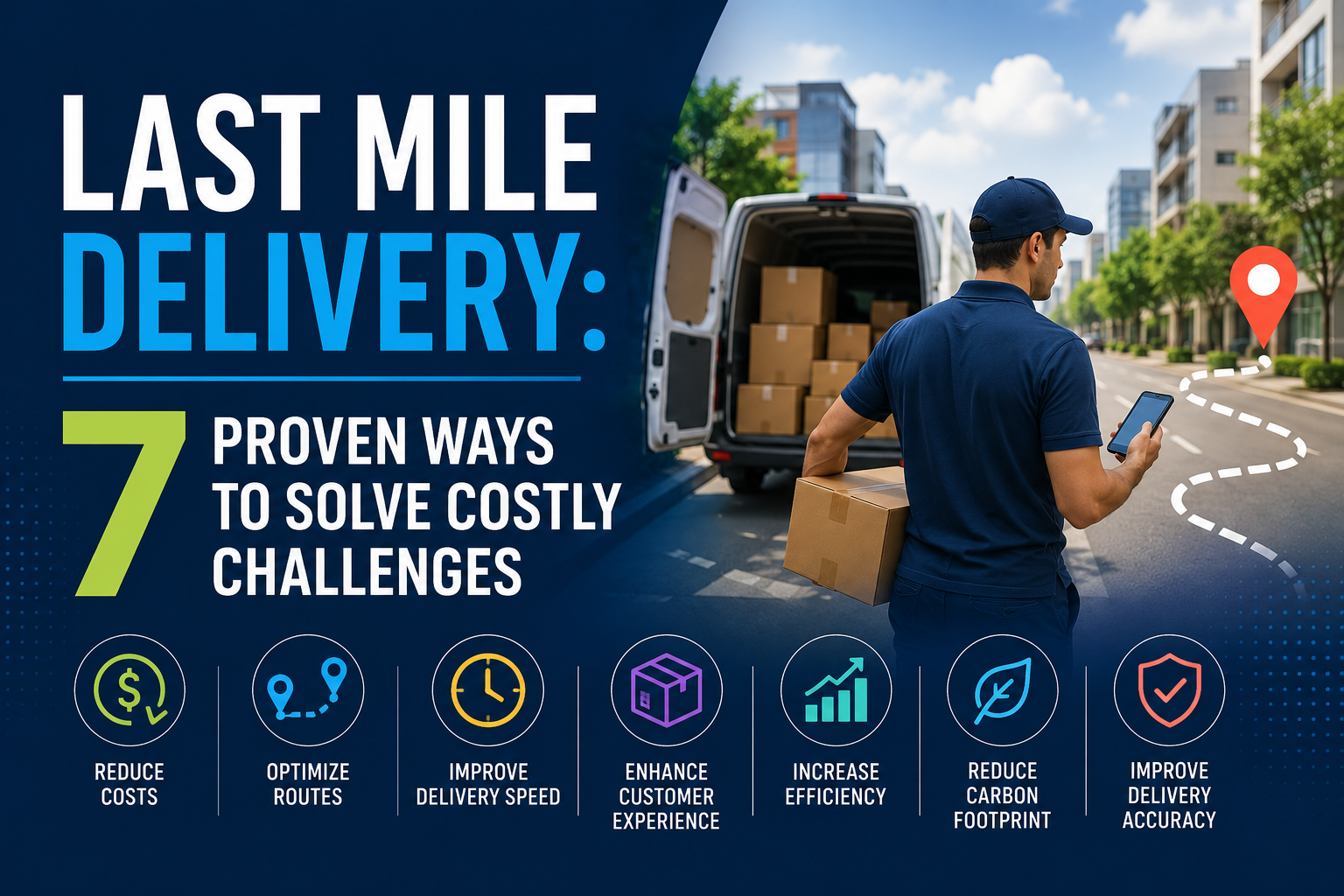
In an era defined by instant gratification and unparalleled convenience, the journey of a product from a warehouse to a customer’s doorstep has become more critical than ever. This final, often most complex, leg of the supply chain is known as last mile delivery. It’s the moment of truth for countless businesses, shaping customer perceptions, impacting operational costs, and ultimately determining success in a fiercely competitive market.
From the steaming hot pizza arriving at your door to the latest gadget delivered the next day, last mile delivery is the invisible force powering modern commerce. But beneath its seemingly simple premise lies a labyrinth of logistical hurdles, escalating costs, and ever-increasing customer expectations. For businesses, understanding and mastering the last mile isn’t just an operational necessity; it’s a strategic imperative.
This comprehensive guide will delve into the meaning of last mile delivery, explore the significant challenges businesses face, and outline actionable strategies to overcome them, ensuring a seamless, cost-effective, and customer-centric delivery experience.
Table of Contents
What Exactly is Last Mile Delivery?
At its core, last mile delivery refers to the final leg of the delivery process, where a package or product is transported from a transportation hub (like a distribution center, warehouse, or retail store) to its final destination, typically the customer’s home or business address.
The term “last mile” is often a misnomer; it doesn’t necessarily mean a literal mile. It can range from a few blocks in a dense urban environment to hundreds of miles in a rural area. What defines it is its proximity to the end-consumer and its unique set of challenges compared to earlier stages of the supply chain.
Distinguishing Last Mile from Other Supply Chain Stages
To fully grasp the significance of last mile delivery, it’s helpful to understand its place within the broader supply chain. For instance, understanding how blockchain technology is changing supply chain management can provide deep insights into how modern tracking and transparency are evolving across all stages:
- First Mile Delivery: This is the initial stage, involving the movement of goods from their point of origin (e.g., a manufacturer, farm, or supplier) to a primary distribution center or warehouse, long before they enter the last mile delivery phase.
- Middle Mile Delivery: Also known as line-haul or inter-facility transport, this stage involves moving goods between larger distribution centers, regional hubs, or ports. It’s typically characterized by large-volume, long-distance transportation, often using trucks, trains, or ships.
- Last Mile Delivery: As discussed, this is the final, most granular stage, focusing on individual package delivery to the end-consumer. It’s characterized by smaller vehicles, more frequent stops, and direct interaction with the customer.
Examples of Last Mile Delivery in Action
Last Mile Delivery is ubiquitous across various industries:
- E-commerce: A customer orders a product online. The item is picked from a warehouse, packed, and then loaded onto a delivery van that navigates local streets to drop it off at the customer’s home.
- Food Delivery: A customer orders a meal through an app. A restaurant prepares it, and a delivery driver (often a gig worker) picks it up and delivers it to the customer’s specific location, usually within a tight time window.
- Grocery Delivery: Groceries are picked from a local store or dark store, packed, and then delivered to a customer’s kitchen, often requiring temperature-controlled transport.
- Medical Supplies: Urgent medical supplies or prescriptions are delivered from a pharmacy or medical facility directly to a patient’s home or a hospital ward.
- B2B Deliveries: Office supplies, spare parts, or specialized equipment are delivered from a supplier’s warehouse to a business’s specific office or factory location.
In each scenario, the goal is the same: to get the right product to the right place at the right time, efficiently and reliably.
Why Last Mile Delivery is So Important for Businesses
The last mile is far more than just a logistical endpoint; it’s a critical touchpoint that profoundly impacts a business’s reputation, profitability, and long-term viability.
1. Customer Satisfaction & Loyalty
The last mile delivery process is often the only physical interaction a customer has with an online business. A smooth, timely, and accurate delivery can convert a first-time buyer into a loyal advocate. Conversely, a delayed, damaged, or missed delivery can lead to frustration, negative reviews, and lost future business. In today’s competitive landscape, delivery experience is a key differentiator.
2. Cost Efficiency
While notoriously expensive, optimizing last mile delivery can lead to significant cost savings. Failed deliveries, inefficient routes, and excessive fuel consumption all eat into profit margins. Streamlining this process directly impacts a company’s bottom line.
3. Competitive Advantage
In markets saturated with similar products, the last mile delivery experience can be the deciding factor for consumers. Offering faster, more flexible, or more transparent delivery options can give a business a significant edge over competitors who offer standard, less reliable services. Think of same-day delivery or precise delivery windows – these are powerful selling points.
4. Brand Image & Reputation
The delivery driver and the condition of the package are extensions of a brand. A professional, courteous driver and a well-packaged, undamaged item reinforce a positive brand image. Poor service, on the other hand, can quickly erode trust and damage a brand’s reputation, especially with the prevalence of online reviews and social media.
5. Data & Analytics Opportunities
The last mile generates a wealth of data – delivery times, route efficiency, customer feedback, common delivery issues. Analyzing this data provides invaluable insights that can inform strategic decisions, improve operational efficiency, and enhance the overall customer experience.
The Major Challenges of Last Mile Delivery
Despite its critical importance, last mile delivery is fraught with challenges that can significantly impact efficiency, cost, and customer satisfaction.
1. High Costs
This is arguably the most significant hurdle. Last mile delivery can account for 28% to 50% or even more of the total shipping cost. According to research from the MIT Center for Transportation & Logistics, managing these final-leg expenses is critical for maintaining retail profitability. Several factors contribute to this:
- Fuel and Labor: Vehicles making numerous stops in urban areas consume more fuel due to stop-and-go traffic. Labor costs for drivers, especially for specialized or time-sensitive deliveries, are substantial.
- Low Drop Density: Unlike middle-mile transport where a single truck carries a large volume to one destination, last mile involves delivering individual packages to many different addresses, often spread out, leading to less efficient use of vehicle capacity.
- Failed Deliveries: If a customer isn’t home, or there’s an issue with the address, redelivery attempts or returns add significant costs in terms of fuel, labor, and time.
- Vehicle Maintenance: Frequent stopping, starting, and navigating varied terrain puts more wear and tear on delivery vehicles.
2. Inefficiency & Complexity
The dynamic nature of last mile delivery makes it inherently complex:
- Route Optimization: Planning the most efficient routes for multiple deliveries, considering traffic, time windows, road closures, and driver availability, is a monumental task that changes by the minute.
- Urban Congestion: Navigating dense city traffic, finding parking, and dealing with restricted access areas significantly slows down deliveries and increases fuel consumption.
- Delivery Windows: Customers increasingly demand precise delivery windows (e.g., “between 2 PM and 4 PM”), which adds a layer of complexity to route planning and can lead to delays if not managed perfectly.
- Returns Management (Reverse Logistics): Handling returns efficiently is another last mile challenge, requiring processes for pickup, inspection, and restocking, which adds to operational complexity and cost.
3. Soaring Customer Expectations
E-commerce has spoiled consumers, leading to ever-increasing demands on last mile delivery:
- Speed: Same-day, next-day, or even sub-hour delivery is becoming the norm, putting immense pressure on logistics networks.
- Transparency: Customers expect real-time tracking, accurate estimated times of arrival (ETAs), and proactive communication about their delivery status.
- Flexibility: The ability to choose specific delivery times, redirect packages, or pick up from alternative locations (e.g., lockers) is highly valued.
- “Free” Shipping: The expectation of free shipping, even for small orders, places the entire delivery cost burden on the business, making last mile optimization even more critical.
4. Geographical Obstacles
The physical environment presents unique challenges:
- Rural Deliveries: Longer distances between stops, poorer road infrastructure, and less precise addressing can make rural deliveries costly and time-consuming.
- Urban Deliveries: High-rise apartments, secure office buildings, limited parking, and complex access rules (e.g., requiring specific entry codes) can lead to delays and failed deliveries.
- Weather Conditions: Adverse weather (snow, heavy rain, extreme heat) can significantly impact delivery times, driver safety, and vehicle performance.
5. Workforce Management
Managing a fleet of drivers and ensuring consistent service quality is challenging:
- Driver Availability & Retention: High turnover rates, driver shortages, and the need for specialized training (e.g., for specific types of goods) can disrupt operations.
- Safety Concerns: Drivers face risks from traffic accidents, theft, and interactions with the public, requiring robust safety protocols and support.
- Training & Performance: Ensuring drivers are efficient, courteous, and adhere to delivery protocols is crucial for customer satisfaction and brand image.
6. Technology Integration & Scalability
Many businesses struggle with outdated or disparate systems:
- Lack of Unified Systems: Different software for order management, inventory, routing, and tracking can lead to data silos and inefficient workflows.
- Scalability Issues: Existing systems might not be able to handle sudden spikes in demand (e.g., during holiday seasons or promotional events), leading to bottlenecks and service degradation.
- Data Analytics Gap: Without proper technology, businesses miss out on valuable data that could inform better decision-making and continuous improvement.
7. Sustainability Concerns
Growing environmental awareness adds another layer of complexity:
- Emissions & Pollution: A fleet of delivery vehicles, especially in urban areas, contributes to air and noise pollution, leading to regulatory pressure and consumer demand for greener solutions.
- Packaging Waste: The sheer volume of packaging used for individual deliveries contributes to waste, prompting calls for more sustainable packaging options.
Strategies and Solutions to Tackle Last Mile Delivery Challenges
Overcoming these formidable challenges requires a multi-faceted approach, leveraging technology, optimizing infrastructure, and prioritizing the customer experience.
1. Leveraging Advanced Technology
Technology is the cornerstone of modern last mile delivery optimization.
a. Route Optimization Software (ROS)
ROS uses sophisticated algorithms to calculate the most efficient routes for multiple deliveries, considering factors like traffic conditions, delivery windows, vehicle capacity, and driver breaks.
- Benefits: Reduces fuel costs, minimizes driving time, increases the number of deliveries per route, and improves on-time last mile delivery rates.
- Advanced Features: Dynamic rerouting in real-time based on unexpected events (traffic jams, road closures), AI/ML-driven predictive routing, and multi-stop optimization.
b. Real-time Tracking & Visibility
GPS tracking, integrated with delivery management platforms, allows businesses to monitor drivers’ locations, progress, and performance in real time.
- Benefits: Provides transparency for both the business and the customer, allows for proactive communication regarding delays, improves security, and enables faster problem resolution.
- Customer-facing Features: Customers receive live tracking links, predictive ETAs, and notifications at various stages of delivery.
c. Delivery Management Platforms (DMPs)
These comprehensive platforms integrate various functions, from order intake and dispatch to route planning, driver management, and customer communication.
- Benefits: Streamlines last mile delivery workflows, reduces manual errors, provides a centralized hub for all delivery operations, and offers robust reporting and analytics.
- Key Modules: Order management, dispatching, driver apps, customer portals, proof of delivery (e.g., photo capture, e-signature).
d. Data Analytics & Artificial Intelligence (AI)
Collecting and analyzing data from all stages of the last mile provides actionable insights. Artificial intelligence, which is transforming the global economy, and machine learning can predict demand, optimize inventory placement, identify potential delivery issues before they occur, and refine routing algorithms.
- Benefits: Enables data-driven decision-making, improves forecasting accuracy, identifies bottlenecks, and drives continuous operational improvement.
2. Optimizing Delivery Infrastructure
Rethinking physical infrastructure can bring goods closer to customers and offer more flexible delivery options.
a. Micro-fulfillment Centers (MFCs) / Dark Stores
These smaller, automated warehouses are strategically located in urban areas, closer to the end-consumer. They facilitate faster order processing and dispatch.
- Benefits: Significantly reduces delivery times and distances, lowers fuel costs, and enables hyper-local last mile delivery services (e.g., 1-hour delivery).
b. Locker Networks & Pick-up/Drop-off (PUDO) Points
Customers can choose to have their packages delivered to secure lockers or designated retail partner locations (e.g., convenience stores, pharmacies) for self-pickup at their convenience.
- Benefits: Reduces failed delivery attempts, offers flexibility to customers, lowers delivery costs for businesses (as drivers can drop off multiple packages at one location), and can alleviate urban congestion.
c. Crowdsourced Delivery / Gig Economy Models
Partnering with independent contractors or gig workers for deliveries, especially during peak times or for specialized services (e.g., food delivery, urgent parcels).
- Benefits: Provides scalability and flexibility to meet fluctuating demand without the overhead of a large permanent fleet, can reduce labor costs, and offers faster delivery times in dense areas.
d. Strategic Partnerships with 3PLs
Collaborating with third-party logistics (3PL) providers or local courier services can offload the complexities of last mile delivery, especially for businesses lacking the internal infrastructure. This allows smaller businesses to scale their last mile delivery capabilities rapidly.
3. Enhancing Customer Experience
A superior customer experience is paramount for loyalty and brand reputation.
a. Flexible Delivery Options
Offering customers choices such as scheduled deliveries, specific time windows, delivery to alternative addresses, or PUDO points.
- Benefits: Increases customer satisfaction, reduces failed deliveries, and empowers customers with control over their delivery.
b. Proactive Communication
Keeping customers informed at every step of the delivery process through SMS, email, or in-app notifications. This includes order confirmation, dispatch notification, real-time tracking links, and “on its way” alerts.
- Benefits: Manages expectations, reduces customer inquiries, builds trust, and allows customers to prepare for delivery.
c. Easy Returns Process (Reverse Logistics)
A streamlined and hassle-free returns process is as important as the initial delivery. Offering options like scheduled pickups, drop-offs at PUDO points, or pre-paid return labels.
- Benefits: Enhances customer satisfaction, builds loyalty, and minimizes negative perceptions associated with returns.
d. Personalization
Using past delivery preferences and customer data to offer tailored delivery experiences, such as remembering preferred delivery times or safe drop-off locations.
- Benefits: Creates a more seamless and personalized experience, fostering deeper customer relationships.
4. Investing in Sustainable Practices
Addressing environmental concerns is becoming a business imperative.
a. Electric Vehicles (EVs) & E-bikes
Transitioning to electric delivery vans, cargo bikes, or drones for urban last mile delivery.
- Benefits: Reduces carbon emissions, lowers fuel costs, minimizes noise pollution, and enhances brand image as environmentally responsible.
b. Optimized Routing & Consolidation
Efficient route planning reduces mileage and fuel consumption. Consolidating multiple packages into fewer trips maximizes vehicle capacity.
- Benefits: Reduces environmental footprint, lowers operational costs, and improves overall efficiency.
c. Sustainable Packaging
Using recyclable, biodegradable, or minimal packaging materials.
- Benefits: Appeals to environmentally conscious consumers, reduces waste, and aligns with corporate social responsibility goals.
5. Workforce Empowerment
A well-trained and motivated delivery workforce is crucial for success.
a. Comprehensive Training & Onboarding
Equipping drivers with efficient delivery procedures, customer service skills, and safety protocols.
- Benefits: Improves delivery efficiency, enhances customer interactions, and reduces errors.
b. Fair Compensation & Incentives
Offering competitive wages, benefits, and performance-based incentives to attract and retain high-quality drivers.
- Benefits: Reduces driver turnover, ensures a reliable workforce, and improves morale.
c. User-friendly Driver Apps
Providing drivers with intuitive mobile applications for route navigation, proof of delivery capture, customer communication, and issue reporting.
- Benefits: Streamlines driver tasks, reduces administrative burden, and improves overall efficiency and job satisfaction.
6. Data-Driven Decision Making
Continuously monitor, analyze, and adapt based on key performance indicators (KPIs).
- Key Metrics: On-time delivery rate, cost per delivery, failed delivery rate, customer satisfaction scores, driver efficiency, and fuel consumption.
- Benefits: Identifies areas for improvement, allows for continuous optimization, and ensures that strategies are aligned with business goals. Regular review of these metrics is essential for long-term success.
The Future of Last Mile Delivery
The landscape of last mile delivery is constantly evolving, driven by technological advancements and shifting consumer expectations. Many of these advancements align with the broader emerging technologies revolutionizing the world by 2030. The future promises even more innovation:
- Autonomous Vehicles & Drones: While still in experimental stages, self-driving vehicles and delivery drones could revolutionize delivery speed and cost, especially for specific use cases.
- Robotics in Warehouses: Increased automation in micro-fulfillment centers will further accelerate order processing.
- Hyperlocal Fulfillment: Even smaller, more decentralized fulfillment points will emerge, bringing inventory even closer to the customer.
- Predictive Logistics: AI will become even more sophisticated in predicting demand, optimizing inventory, and preemptively addressing potential delivery issues.
- Integrated Ecosystems: Seamless integration between all stages of the supply chain, from manufacturer to customer, will create more transparent and efficient networks.
Conclusion
Last Mile Delivery is undeniably the most challenging, yet most impactful, segment of the modern supply chain. It’s where the rubber meets the road, directly influencing customer satisfaction, brand reputation, and a business’s financial health. The complexities of high costs, urban congestion, soaring customer expectations, and environmental concerns demand a strategic, proactive, and technology-driven approach.
By embracing advanced route optimization software, leveraging micro-fulfillment centers, offering flexible delivery options, empowering their workforce, and committing to sustainable practices, businesses can transform their last mile delivery operations from a significant challenge into a powerful competitive advantage. Mastering the last mile isn’t just about delivering packages; it’s about delivering exceptional experiences and building lasting customer loyalty in an ever-evolving digital world.