
Table of Contents
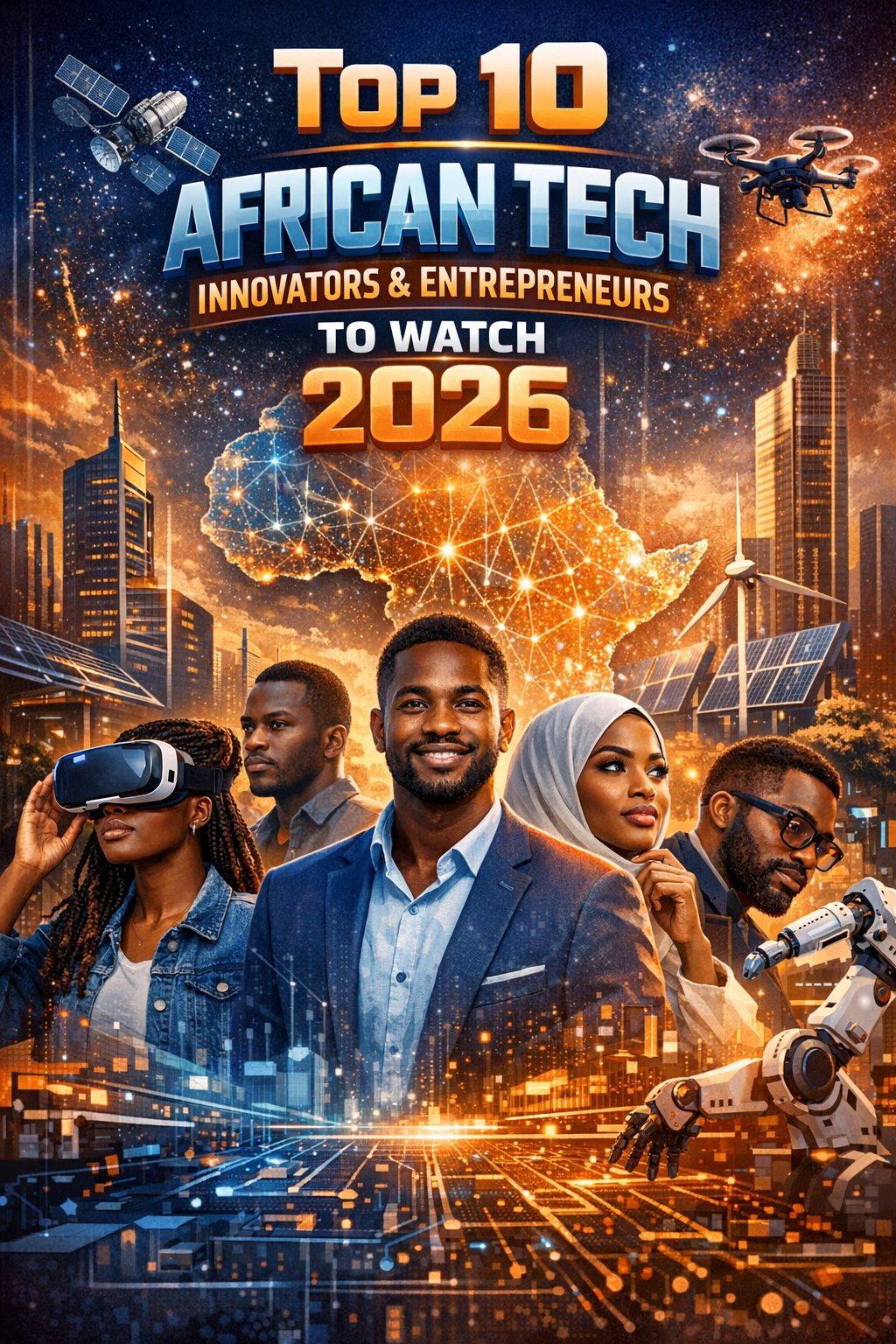
Top 10 African Tech Innovators and Entrepreneurs to Watch in 2026
Africa, a continent of unparalleled diversity and dynamism, is rapidly emerging as a global powerhouse in technological innovation. Far from being merely adopters of technology, African entrepreneurs are at the forefront of creating bespoke solutions that address local challenges while possessing the scalability and ingenuity to impact the world. The narrative of “leapfrogging” traditional development stages through technology is no longer a future aspiration but a present reality, driven by a youthful, digitally native population and a burgeoning ecosystem of venture capital and supportive infrastructure.
The “Silicon Savannah” and other tech hubs across the continent are buzzing with activity, attracting significant investment and nurturing groundbreaking ideas. From FinTech revolutionizing financial inclusion to AgriTech optimizing food security, and HealthTech transforming access to care, African innovators are demonstrating a profound understanding of their markets and an unwavering commitment to sustainable development.
As we look towards 2026, the pace of innovation is only set to accelerate. This article spotlights ten extraordinary African tech innovators and entrepreneurs whose vision, leadership, and disruptive technologies are poised to make significant waves, not just within Africa but on the global stage. These individuals represent the vanguard of a continent redefining its economic and technological destiny.

Top 10 African Tech Innovators & Entrepreneurs to Watch 2026
Understanding Africa’s Tech Landscape
Africa’s tech boom is fueled by several critical factors:
- Demographic Dividend: The continent boasts the world’s youngest population, a demographic eager to embrace digital solutions and contribute to the digital economy.
- Mobile Penetration: High mobile phone penetration, even in remote areas, provides a ready platform for digital services, bypassing the need for traditional infrastructure.
- Problem-Solving Imperative: Entrepreneurs are driven by the urgent need to solve pressing local challenges – from access to finance and healthcare to education and sustainable energy – leading to highly relevant and impactful innovations.
- Growing Investment: Local and international venture capital funds are increasingly recognizing the immense potential, pouring billions into African startups.
- Ecosystem Development: Accelerators, incubators, co-working spaces, and government initiatives are fostering a collaborative environment for innovation.
- Diaspora Engagement: A growing number of African professionals in the diaspora are returning home or investing in the continent’s tech scene, bringing global expertise and networks.
These elements combine to create a fertile ground for the next generation of tech giants, many of whom are still in their nascent stages but show immense promise.
The Criteria for Selection
Our selection for the “Top 10 African Tech Innovators and Entrepreneurs to Watch in 2026” is based on several key criteria:
- Disruptive Innovation: The individual or their company is introducing novel solutions that challenge existing paradigms or create new markets.
- Scalable Impact: Their work demonstrates the potential for significant social and economic impact, capable of reaching a large user base or solving widespread problems.
- Growth Trajectory: Evidence of strong market traction, successful funding rounds, strategic partnerships, and a clear path to expansion.
- Visionary Leadership: The entrepreneur exhibits strong leadership qualities, a clear vision for the future, and the ability to attract and motivate talent.
- Sectoral and Geographic Diversity: An effort to showcase the breadth of innovation across different tech sectors and regions of the continent.
- Relevance for 2026: Their current trajectory suggests they will be at a critical inflection point or achieving significant milestones by 2026.
The Top 10 African Tech Innovators and Entrepreneurs to Watch in 2026
1. Naledi Mokoena – UbuntuPay (South Africa)
Naledi Mokoena is revolutionizing financial inclusion across Southern Africa with UbuntuPay, a digital wallet and cross-border remittance platform designed for the unbanked and underbanked. Growing up in a rural community with limited access to traditional banking, Naledi witnessed firsthand the challenges of sending and receiving money, particularly for migrant workers. UbuntuPay addresses this by offering a secure, low-cost, and user-friendly mobile platform that facilitates instant payments, micro-savings, and international remittances without requiring a traditional bank account.
By 2026, UbuntuPay is projected to have expanded its reach significantly beyond South Africa, into neighboring countries like Lesotho, Eswatini, and Mozambique, becoming a crucial financial artery for millions. Naledi’s vision extends to integrating micro-insurance and small business loans directly into the platform, empowering informal sector entrepreneurs and fostering regional economic integration. Her blend of technological prowess and deep social empathy positions UbuntuPay as a leader in FinTech for development.
2. Dr. Emeka Obi – MediConnect AI (Nigeria)
Dr. Emeka Obi, a medical doctor and AI enthusiast, founded MediConnect AI to tackle the critical shortage of healthcare professionals and diagnostic capabilities in remote African communities. His platform leverages artificial intelligence and telemedicine to provide remote diagnostic support, connect patients with specialists, and offer personalized health advice. Using a combination of image recognition AI for conditions like malaria and tuberculosis, and natural language processing for symptom assessment, MediConnect AI empowers community health workers to deliver more accurate and timely care.
By 2026, MediConnect AI is expected to be integrated into national healthcare systems in several West African countries, significantly reducing diagnostic delays and improving patient outcomes. Dr. Obi’s ambitious plan includes developing predictive AI models for disease outbreaks and integrating drone delivery for essential medicines to inaccessible areas. His work is not just about technology; it’s about democratizing healthcare access and saving lives on a massive scale.
3. Aisha Khan – AgriSmart Solutions (Kenya)
Aisha Khan is at the forefront of Africa’s AgriTech revolution with AgriSmart Solutions, a data-driven platform empowering smallholder farmers. Her innovation combines IoT sensors deployed in fields, satellite imagery, and machine learning algorithms to provide farmers with real-time insights on soil health, weather patterns, crop disease detection, and optimal planting/harvesting times. AgriSmart also connects farmers directly to markets, cutting out exploitative middlemen and ensuring fair prices for their produce.
By 2026, AgriSmart Solutions aims to be the leading precision agriculture platform for smallholder farmers across East Africa, helping millions increase yields, reduce waste, and build resilience against climate change. Aisha’s vision includes blockchain integration for supply chain transparency, ensuring traceability from farm to fork, and facilitating access to micro-finance based on predicted yields. Her commitment to sustainable agriculture and economic empowerment for rural communities makes her a formidable force.
Configure SPF, DKIM, DMARC for Better Email Deliverability
OpenAI Founders’ Journey: Vision, Innovation, and AI Breakthroughs
2026 Blockchain Startup Mistakes: Avoid These Common Pitfalls
4. David Kilonzo – LearnAfrica Hub (Tanzania)
David Kilonzo is transforming education access and quality with LearnAfrica Hub, an innovative EdTech platform focused on delivering engaging, localized, and affordable learning content. Recognizing the disparities in educational resources, David developed a gamified learning environment that makes STEM subjects and vocational skills accessible to students in both urban and remote areas, even with limited internet connectivity. The platform features interactive lessons, virtual labs, and mentorship programs, all tailored to African curricula and cultural contexts.
By 2026, LearnAfrica Hub is poised to become a household name in educational technology across East and Central Africa, having partnered with governments and NGOs to integrate its platform into public school systems. David’s goal is to bridge the skills gap, preparing African youth for the digital economy through personalized learning paths and certifications recognized by local industries. His dedication to nurturing the next generation of African talent is truly inspiring.
5. Fatima Zahra – SwiftDeliver (Morocco)
Fatima Zahra is redefining logistics and e-commerce fulfillment across North Africa with SwiftDeliver, an AI-optimized last-mile delivery service. Operating in congested urban centers and sprawling rural landscapes, SwiftDeliver leverages advanced algorithms to optimize delivery routes, manage fleet operations, and predict demand, significantly reducing delivery times and costs. Her company also specializes in cold chain logistics, opening up new possibilities for the delivery of fresh produce and pharmaceuticals.
By 2026, SwiftDeliver is projected to be the dominant logistics partner for e-commerce giants and local businesses across the Maghreb region and expanding into West Africa. Fatima’s strategic focus on leveraging local knowledge with cutting-edge AI technology has allowed SwiftDeliver to navigate complex logistical challenges effectively. Her vision includes drone delivery for hard-to-reach areas and autonomous delivery vehicles within urban hubs, making her a key player in the future of African commerce.
6. Kwame Nkrumah Jr. – Sankofa Energy (Ghana)
Kwame Nkrumah Jr. is electrifying off-grid communities with Sankofa Energy, a pioneering company developing decentralized solar micro-grids and smart energy management systems. Inspired by his grandfather’s vision for a self-sufficient Africa, Kwame is addressing energy poverty by providing affordable, reliable, and sustainable power solutions to rural homes and businesses that lack access to national grids. Sankofa Energy’s model includes pay-as-you-go options, making clean energy accessible to low-income households.
By 2026, Sankofa Energy aims to have deployed hundreds of micro-grids across Ghana, Togo, and Benin, powering schools, clinics, and small enterprises, and fostering local economic growth. Kwame’s innovative approach integrates IoT for remote monitoring and predictive maintenance, ensuring grid stability and efficiency. His long-term vision involves creating interconnected regional energy networks powered entirely by renewables, positioning Sankofa Energy as a leader in Africa’s green energy transition.
7. Zola Ndlovu – UrbanFlow (South Africa)
Zola Ndlovu is tackling the challenges of rapid urbanization in Africa with UrbanFlow, an AI-powered platform for smart urban planning and infrastructure management. Her company develops predictive models that help city planners optimize resource allocation, manage traffic flow, plan sustainable housing projects, and monitor environmental quality. UrbanFlow’s solutions are designed to make African cities more livable, efficient, and resilient in the face of population growth and climate change.
By 2026, UrbanFlow is expected to be a critical tool for municipal governments in major African cities, from Johannesburg to Lagos and Nairobi, helping them build smarter, more sustainable urban environments. Zola’s vision includes integrating citizen engagement platforms, allowing residents to report issues and contribute to urban development, fostering a sense of community ownership. Her blend of urban planning expertise and cutting-edge AI positions UrbanFlow as a vital player in shaping Africa’s future cities.
8. Amina Diallo – AfriChain Labs (Senegal)
Amina Diallo is harnessing the power of blockchain technology to bring transparency and efficiency to critical sectors with AfriChain Labs. Her primary innovation is a blockchain-based land registry system designed to combat land fraud and provide secure, immutable records of property ownership, a pervasive issue across many African nations. Beyond land, AfriChain Labs is also developing solutions for supply chain traceability, particularly for agricultural commodities like coffee and cocoa, ensuring fair trade and ethical sourcing.
By 2026, AfriChain Labs is anticipated to have implemented its land registry solutions in pilot programs across several West African countries, significantly reducing disputes and unlocking economic value for landowners. Amina’s long-term goal is to build a pan-African blockchain infrastructure that can support various applications, from digital identities to secure voting systems, establishing AfriChain Labs as a foundational pillar of trust in the digital economy.
9. Tunde Adebayo – NaijaVerse Studios (Nigeria)
Tunde Adebayo is a pioneer in African creative tech, leading NaijaVerse Studios, a company dedicated to developing immersive African-themed mobile games and augmented/virtual reality (AR/VR) experiences. Recognizing the global demand for diverse content and the rich tapestry of African folklore, history, and contemporary culture, Tunde’s studio creates captivating digital narratives that resonate locally and appeal internationally. His games often incorporate elements of Nigerian mythology and traditional storytelling, offering a unique cultural lens.
By 2026, NaijaVerse Studios is set to become a major player in the global mobile gaming market, with several titles achieving millions of downloads and critical acclaim. Tunde’s vision extends to using AR/VR for educational purposes, creating virtual tours of historical sites, and preserving endangered languages through interactive experiences. His work is not just entertainment; it’s a powerful medium for cultural preservation, education, and global representation, showcasing Africa’s creative genius.
10. Sara Tekle – AquaPurify Tech (Ethiopia)
Sara Tekle is addressing the critical issue of water scarcity and contamination with AquaPurify Tech, a company developing affordable and sustainable water purification systems for rural and peri-urban communities. Her innovative solution utilizes locally sourced materials and a blend of advanced filtration technologies, including solar-powered UV purification, to provide safe drinking water at a fraction of the cost of imported systems. AquaPurify Tech also implements community-led maintenance models, ensuring long-term sustainability.
By 2026, AquaPurify Tech aims to have deployed thousands of its purification units across Ethiopia and neighboring countries, significantly reducing waterborne diseases and improving public health outcomes. Sara’s commitment to environmental sustainability extends to developing water recycling systems for agricultural use and smart monitoring solutions for water resource management. Her work is fundamental to achieving sustainable development goals and improving the quality of life for millions.
Beyond the Top 10: The Broader Ecosystem
While these ten individuals represent the pinnacle of current innovation, they are part of a much larger, vibrant ecosystem. Accelerators like Y Combinator and Google for Startups are actively investing in African talent. Local incubators such as CcHub in Nigeria, MEST in Ghana, and Startup Factory in South Africa are nurturing early-stage ventures. Governments are increasingly recognizing the importance of tech, establishing innovation zones and providing policy support.
The collaborative spirit within the African tech community is also a defining characteristic. Entrepreneurs often share insights, mentor aspiring founders, and forge partnerships that amplify their impact. This collective energy ensures that the continent’s innovation pipeline remains robust and diverse.
Conclusion
The African tech landscape is a testament to resilience, ingenuity, and boundless potential. The innovators and entrepreneurs highlighted here are not just building successful businesses; they are crafting solutions to some of the world’s most pressing challenges, often with limited resources but immense vision. Their work underscores a fundamental shift: Africa is no longer just a recipient of technology but a powerful creator and exporter of groundbreaking innovation.
As we look to 2026 and beyond, these ten individuals, alongside countless others, will continue to drive economic growth, foster social progress, and inspire a new generation of problem-solvers. The world is watching, and Africa is delivering, proving that the future of technology is undeniably global, with a significant and vibrant heartbeat emanating from the continent.
Have any thoughts?
Share your reaction or leave a quick response — we’d love to hear what you think!
-
 0
0
-
 0
0
-
 0
0
-
 0
0
-
 0
0
-
 0
0
