
Table of Contents
The foldable smartphone market, once a niche curiosity, is rapidly evolving into a battleground for technological supremacy. Samsung, the undisputed pioneer in this space, has consistently pushed the boundaries with its Galaxy Z Fold and Z Flip series. Now, with whispers and leaks surrounding the upcoming Galaxy Z Fold 8, a new narrative is emerging – one that suggests Samsung is not just innovating, but also acutely aware of a looming threat: the potential iPhone Fold.
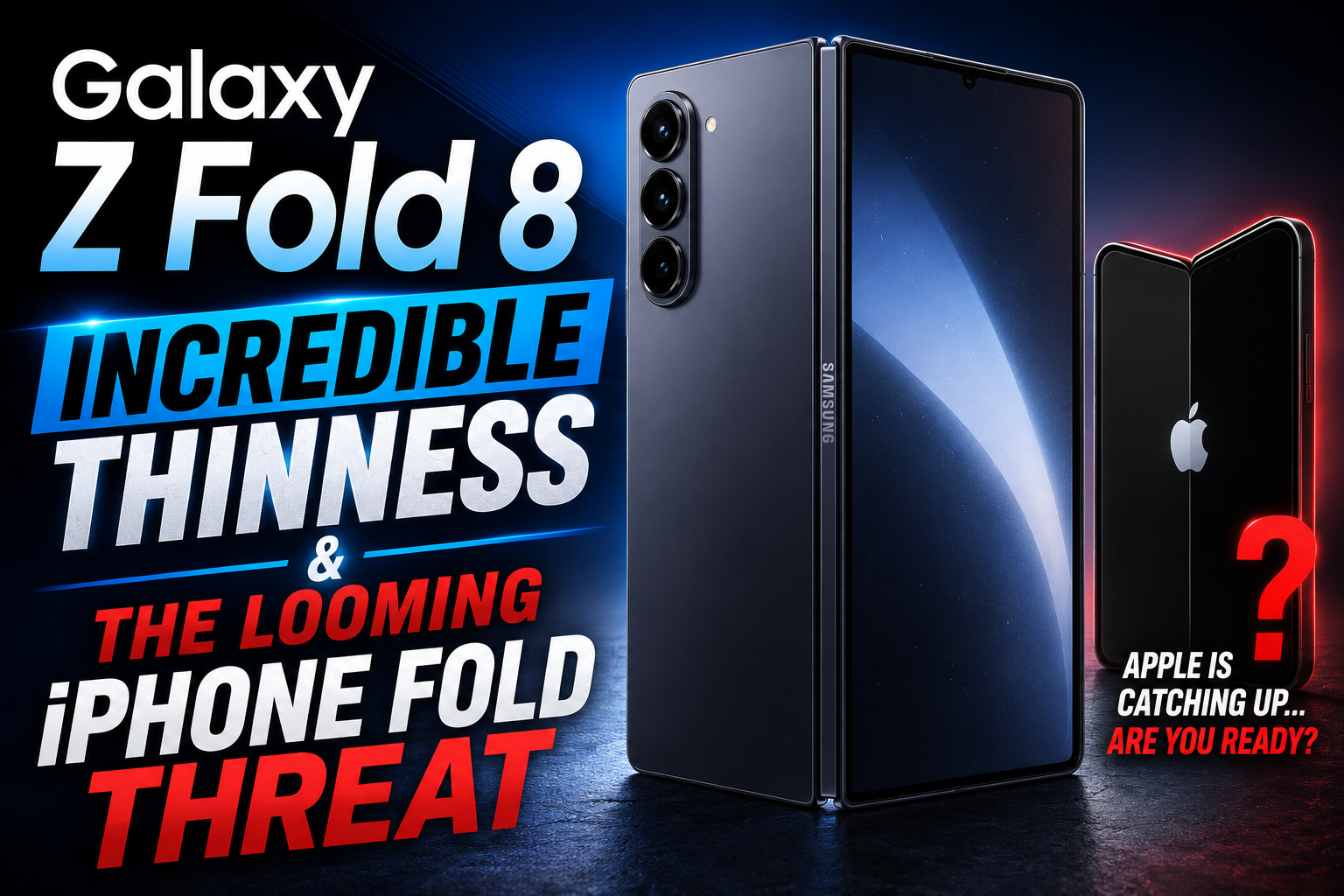
Recent dummy unit leaks, often the harbinger of a new device’s design, have painted a tantalizing picture of the Galaxy Z Fold 8. The key takeaway from these leaks? An “insane thinness” that hints at a significant leap in foldable engineering. This isn’t just about incremental improvements; it’s about addressing a core criticism of foldable phones and, perhaps, preemptively countering what Apple might bring to the table. The new Galaxy Z Fold 8 is shaping up to be a truly remarkable device, showcasing incredible thinness.
Table of Contents
The Pursuit of Thinness: A Foldable Imperative for the Galaxy Z Fold 8
For years, foldable phones have grappled with a fundamental design challenge: thickness. While the allure of a large screen that folds into a pocketable device is undeniable, the inherent complexity of the hinge mechanism and the multiple layers of display technology have historically resulted in devices that are thicker than their traditional slab counterparts. The pursuit of a thinner foldable is a critical goal for Samsung. The Galaxy Z Fold 8 aims to redefine this.
The original Galaxy Fold, while revolutionary, was a chunky device. Subsequent generations have seen improvements, but the quest for a truly svelte foldable has remained a holy grail. The reported “insane thinness” of the Z Fold 8 dummy unit suggests Samsung has made significant strides in this area. This could be achieved through several avenues:
- Advanced Hinge Design: The hinge is the heart of any foldable. Innovations in hinge mechanics, such as a redesigned waterdrop hinge or a more compact folding mechanism, could drastically reduce the folded thickness. This might involve fewer moving parts, more durable materials, or a more integrated approach to the display’s curvature.
- Thinner Display Stacks: The layers that make up a foldable display – the ultra-thin glass (UTG), the protective layers, and the digitizer – all contribute to the overall thickness. Samsung likely has been working on thinner, yet more durable, versions of these components for the Galaxy Z Fold 8.
- Material Science Advancements: The use of lighter and stronger materials in the phone’s frame and body can also contribute to a slimmer profile without compromising structural integrity.
- Component Miniaturization: As technology progresses, internal components like batteries, cameras, and processors are becoming smaller and more efficient. This allows for more space optimization within the device, leading to a thinner design.
The implications of a significantly thinner Z Fold 8 are profound. It would make the device more comfortable to hold, more aesthetically pleasing, and, crucially, more competitive with traditional high-end smartphones in terms of ergonomics. This is not just about user experience; it’s about mainstream adoption. A thinner foldable is a more approachable foldable, and the Galaxy Z Fold 8 is poised to lead this charge.
The Shadow of the iPhone Fold: Samsung’s Competitive Anxiety
The relentless speculation surrounding a potential “iPhone Fold” has undoubtedly cast a long shadow over Samsung’s foldable strategy. Apple, known for its meticulous product development and its ability to disrupt established markets, is widely expected to enter the foldable arena. The exact timing and form factor of Apple’s foldable offering remain a mystery, but its eventual arrival is seen as a potential game-changer. Samsung’s focus on thinness might be a direct response to this looming competition, aiming to solidify the Galaxy Z Fold 8’s position.
Why is Samsung so worried about the iPhone Fold?
- Apple’s Ecosystem and Brand Loyalty: Apple commands an incredibly loyal user base and a powerful ecosystem that integrates seamlessly across its devices. A foldable iPhone would instantly have a massive built-in audience eager to experience Apple’s take on the form factor.
- Design and User Experience Prowess: Apple’s reputation for elegant design, intuitive user interfaces, and polished user experiences is unparalleled. If Apple enters the foldable market, it’s expected to do so with a product that sets new benchmarks in these areas.
- Potential for Market Disruption: While Samsung has a head start, Apple has a history of entering markets late but dominating them with superior products and marketing. The iPhone Fold could quickly shift consumer perception and market share.
- The “Apple Effect” on Foldable Technology: If Apple releases a foldable, it will likely bring its own innovations and design philosophies, potentially influencing the entire industry and setting new standards that Samsung will then have to compete with.
The reported focus on “insane thinness” in the Z Fold 8 dummy unit could be a direct response to this perceived threat. Samsung might be aiming to establish a clear advantage in a key area of foldable design before Apple even enters the fray. By pushing the boundaries of thinness, Samsung could be:
- Setting a New Standard: If the Z Fold 8 is significantly thinner than any previous foldable, it could establish a new benchmark that Apple will then have to meet or exceed. This makes the Galaxy Z Fold 8 a benchmark device.
- Addressing a Potential Apple Strength: While Apple hasn’t released a foldable yet, their history suggests they would prioritize a sleek, premium design. Samsung might be trying to preemptively neutralize this as a potential advantage for Apple.
- Reinforcing its Leadership: By showcasing a groundbreaking design feature like extreme thinness, Samsung can reinforce its position as the leader and innovator in the foldable space, aiming to capture consumer attention and loyalty before a competitor can.
- Appealing to a Broader Audience: A thinner, more refined foldable is more likely to appeal to users who might have been hesitant about the bulkiness of previous generations. This broadens the market for foldables, a market Samsung wants to continue to dominate.
Beyond Thinness: Other Potential Z Fold 8 Enhancements
While the thinness is the headline grabber, the Galaxy Z Fold 8 will undoubtedly feature a suite of other improvements designed to keep it at the forefront of foldable technology. Based on Samsung’s iterative development cycle and industry trends, we can anticipate advancements for the Galaxy Z Fold 8:
Display Technology
- Improved Durability: Expect further enhancements to the UTG, making it more resistant to scratches and creases. The crease, while less noticeable with each generation, remains a point of contention for some users. Samsung will likely continue its efforts to minimize its visibility and feel.
- Brighter and More Efficient Panels: Advances in OLED technology will likely lead to brighter displays with better color accuracy and improved power efficiency, crucial for battery life.
- Under-Display Camera (UDC) Refinements: The under-display camera technology on the inner screen has seen significant improvements. Further refinements could lead to a more invisible camera with better image quality.
Performance and Internals
- Latest Snapdragon Processor: The Z Fold 8 will almost certainly feature the latest flagship Snapdragon processor, offering top-tier performance for demanding tasks, gaming, and multitasking.
- Enhanced RAM and Storage: Expect configurations with ample RAM for seamless multitasking and generous storage options to accommodate the growing size of apps and media. For instance, devices like the Samsung Galaxy phones are already seeing RAM impacts, and future flagships will need robust memory solutions.
- Improved Cooling: As performance increases, so does heat generation. Better thermal management systems will be crucial to sustain peak performance without throttling.
Camera System
- Upgraded Sensors: Samsung typically upgrades its camera sensors with each generation. We can expect improved main, ultrawide, and telephoto lenses, potentially with better low-light performance and zoom capabilities.
- Foldable-Specific Camera Features: Samsung has been innovative with camera features that leverage the foldable form factor, such as using the cover screen as a viewfinder for high-quality selfies with the main cameras. Expect further refinements and new additions in this area.
Battery and Charging
- Optimized Battery Life: While thinness can sometimes compromise battery size, Samsung will likely focus on optimizing battery efficiency through hardware and software improvements to ensure all-day usage.
- Faster Charging Speeds: Continued advancements in wired and wireless charging technology will likely bring faster charging capabilities, reducing downtime.
Software and User Experience
- Refined One UI for Foldables: Samsung’s One UI is already well-optimized for foldables, offering robust multitasking features. Expect further refinements to enhance the foldable experience, including improved app continuity between screens and more intuitive gesture controls.
- S Pen Integration: Given the Z Fold series’ productivity focus, continued S Pen support is highly probable, with potential improvements to latency and features.
The Strategic Implications: A Race to Define the Foldable Future
The emphasis on “insane thinness” in the Z Fold 8 leaks isn’t just about a single design element; it’s indicative of a larger strategic battle. Samsung is not just competing with existing foldable manufacturers; it’s actively shaping the future of the category and, in doing so, preparing for the inevitable entry of Apple. This focus on thinness is a key differentiator for the Galaxy Z Fold 8.
Establishing Dominance Before the Challenger Arrives
Samsung’s strategy appears to be one of establishing an unassailable lead before Apple can make its move. By pushing the envelope on critical design aspects like thinness, they aim to set a new standard that Apple will then have to chase. This is a classic Samsung move: innovate aggressively and build momentum.
Addressing Foldable Pain Points
The thinness is also a direct attempt to address the primary criticisms leveled against foldables: their bulkiness and perceived lack of refinement compared to traditional smartphones. By making the Z Fold 8 significantly thinner, Samsung is making the foldable form factor more appealing to a wider audience, including those who might be considering an iPhone. This addresses a key user concern.
Differentiating from the Competition
As more manufacturers enter the foldable market, differentiation becomes key. Samsung’s focus on pushing the boundaries of engineering, like achieving unprecedented thinness, helps it stand out from competitors who might be offering more incremental upgrades. This is crucial in a crowded market.
The “iPhone Fold” Factor: A Catalyst for Innovation?
It’s undeniable that the prospect of an iPhone Fold acts as a significant catalyst for Samsung. The fear of being outmaneuvered by Apple, a company that has a proven track record of market disruption, likely fuels Samsung’s drive for innovation. This competitive pressure can lead to faster development cycles and bolder design choices. The potential for an Apple foldable pushes Samsung to innovate faster, making the Galaxy Z Fold 8 a critical product in this race.
However, Samsung must also be careful not to become solely reactive. While responding to potential competition is wise, the core focus should remain on creating the best possible product for its users. The “insane thinness” needs to be more than just a spec; it needs to translate into a tangible improvement in the user experience. For example, understanding how new chipsets affect device performance is crucial, much like the Google Pixel 11 rumors suggest.
The Road Ahead: What the Z Fold 8 Means for the Foldable Market
The Galaxy Z Fold 8, if the leaks prove accurate, represents a significant evolutionary leap for Samsung and the foldable smartphone market. The pursuit of “insane thinness” is not merely an aesthetic choice; it’s a strategic imperative driven by a desire to solidify Samsung’s leadership and preemptively counter the threat of an iPhone Fold. This focus on thinness could revolutionize the market, making the Galaxy Z Fold 8 a pivotal device.
This focus on thinness, combined with expected advancements in display technology, performance, and software, could make the Z Fold 8 the most compelling foldable device to date. It has the potential to:
- Broaden Foldable Appeal: A thinner, more refined foldable will be more attractive to a mainstream audience, moving foldables further away from niche gadgets and closer to mainstream premium devices.
- Intensify Competition: If the Z Fold 8 sets a new benchmark, it will undoubtedly put pressure on Apple and other manufacturers to innovate rapidly in their own foldable offerings.
- Redefine Expectations: The success of a thinner Z Fold 8 could redefine what consumers expect from foldable devices, making thinness a key purchasing criterion.
Samsung’s anxiety about the iPhone Fold, while perhaps unsettling for the company, is ultimately a positive force for innovation. It pushes Samsung to be bolder, to refine its technology further, and to deliver a product that not only competes but aims to lead. The Galaxy Z Fold 8, with its promise of “insane thinness,” is a testament to this competitive drive, offering a glimpse into a future where foldable phones are not just functional marvels but also elegantly designed, incredibly thin devices that could very well redefine the smartphone landscape. The battle for the future of the foldable is heating up, and the Z Fold 8 appears to be Samsung’s opening salvo in a strategic war. For more on cutting-edge tech, consider exploring developments in decentralized trading, such as the work of Hayden Adams.
The quest for thinner, more powerful devices is a constant in the tech industry. Whether it’s smartphones or laptops, manufacturers are always looking for ways to improve. For instance, the Dell XPS 16 represents a significant step forward in Windows laptop design, showcasing how form and function can be balanced.
Even established players like Huawei are pushing boundaries with innovative designs, as seen in their wide foldable phones that challenge existing market leaders. This constant innovation across the tech landscape, from smartphones to cloud platforms like Google Cloud Platform, drives progress.
The development of devices like the Z Fold 8 is part of a larger technological evolution, influenced by everything from processor advancements to the ongoing competition between major tech giants. Understanding these broader trends, like the work of figures such as Joseph Lubin in the blockchain space, provides context for the rapid changes we see in consumer electronics.
The drive for thinner, more powerful, and more integrated technology is evident across the board. Even government initiatives like the FG TVET Program reflect a forward-looking approach to skill development in an increasingly technological world.
Ultimately, the Galaxy Z Fold 8’s focus on thinness is more than just a design choice; it’s a strategic move in a competitive market, pushing the boundaries of what’s possible in foldable technology. The Galaxy Z Fold 8 is set to be a game-changer.
Have any thoughts?
Share your reaction or leave a quick response — we’d love to hear what you think!
-
 0
0
-
 0
0
-
 0
0
-
 0
0
-
 0
0
-
 0
0
