
Web3 & Blockchain
Top Web3 Startups to Watch in 2026
The digital frontier is constantly expanding, and we’re diving deep to uncover the top Web3 startups poised to redefine our online world by 2026. Get ready to explore the groundbreaking ventures shaping the decentralized internet of tomorrow!

The digital frontier is constantly expanding, and at its cutting edge lies Web3 – a paradigm shift promising a more decentralized, transparent, and user-centric internet. Moving beyond the centralized control of Web2, Web3 leverages blockchain technology, cryptocurrencies, and non-fungible tokens (NFTs) to empower individuals with ownership over their data, digital assets, and online experiences. As we look towards 2026, the foundational layers of Web3 are maturing, paving the way for a new generation of startups poised to revolutionize industries ranging from finance and gaming to social media and artificial intelligence.
Identifying the “top” Web3 startups is akin to peering into a crystal ball. The landscape is dynamic, innovation is rapid, and disruption is the norm. However, by analyzing emerging trends, technological breakthroughs, and the evolving needs of users and enterprises, we can pinpoint companies that are not just building on blockchain but are fundamentally rethinking how we interact with the digital world. These are the ventures that possess the vision, technology, and potential to shape the internet of tomorrow.
This article delves into the top Web3 startups expected to make significant waves by 2026. We’ll explore the criteria that define a groundbreaking Web3 venture, discuss the overarching trends driving their development, and highlight specific (hypothetical, but representative of real innovation) startups that embody the spirit of Web3 innovation across various sectors. Our goal is to provide a comprehensive overview for investors, entrepreneurs, and enthusiasts keen on understanding where the decentralized web is headed.
What Defines a “Top” Web3 Startup?
Before diving into specific examples, it’s crucial to understand the characteristics that distinguish a truly impactful Web3 startup from the multitude of projects emerging daily. Our selection criteria focus on several key areas, helping to identify the most promising ventures among the top Web3 startups.
1. Innovation and Novelty
A top Web3 startup doesn’t just replicate Web2 services on a blockchain; it introduces genuinely new paradigms, solves previously intractable problems, or significantly improves existing solutions through decentralization, transparency, or enhanced security. This often involves novel uses of smart contracts, zero-knowledge proofs, decentralized autonomous organizations (DAOs), or unique tokenomics. True innovation means pushing the boundaries of what’s possible, perhaps through new consensus mechanisms, advanced cryptographic techniques, or entirely new economic models that were not feasible in Web2.
2. Strong Team and Vision
Behind every successful startup is a dedicated and capable team. For Web3, this means a blend of blockchain expertise, strong development skills, business acumen, and a clear, compelling vision for how their product will contribute to the decentralized future. Experience in scaling decentralized applications (dApps) and fostering community engagement is also vital. A strong team understands not only the technology but also how to navigate the complex funding landscape, often needing to successfully pitch their Web3 startup to VC investors to secure the necessary capital for growth. The leadership’s ability to adapt to a rapidly changing regulatory and technological environment is paramount.
3. Utility and Real-World Impact
Hype cycles are common in nascent technologies, but sustainable growth comes from real utility. The most promising startups address genuine pain points, offer tangible benefits to users or businesses, and demonstrate a clear path to widespread adoption beyond early adopters. This includes solving problems related to data ownership, financial inclusion, supply chain transparency, or digital identity. The ventures that truly stand out among the top Web3 startups are those that can articulate a clear value proposition that resonates with a broad audience, moving beyond speculative interest to practical application.
4. Robust Technology and Scalability
Web3 infrastructure is still evolving. Top startups are built on secure, efficient, and scalable blockchain architectures, or they contribute to improving these very foundations. Their technology stack should be robust enough to handle increasing user loads and complex operations while maintaining decentralization and security. This often involves leveraging Layer 2 solutions, sharding, or entirely new blockchain architectures designed for high throughput. The ability to scale without compromising core Web3 principles is a critical differentiator.
5. Community and Ecosystem Growth
Web3 thrives on community. Startups that successfully cultivate an active, engaged, and growing community of users, developers, and advocates are better positioned for long-term success. This often involves transparent governance models (e.g., DAOs) and incentives for participation, such as token rewards or governance rights. A strong community not only provides a robust user base but also contributes to the project’s development, security, and overall resilience. The ability to foster a vibrant ecosystem around their protocol or application is a hallmark of truly impactful Web3 ventures, ensuring longevity and collective ownership.
Key Trends Driving Web3 Startup Growth in 2026
The rapid evolution of the Web3 space is fueled by several overarching trends that are shaping where innovation is concentrated. Understanding these trends is crucial for identifying the top Web3 startups that are truly poised for success and long-term impact. These shifts indicate not just technological advancements but also changing user expectations and market demands, creating fertile ground for new ventures.
Decentralized Finance (DeFi) Evolution
DeFi continues to be a cornerstone of Web3, moving beyond basic lending and borrowing to encompass sophisticated derivatives, insurance protocols, and real-world asset tokenization. Startups in this sector are focusing on enhancing security, improving user experience, and bridging the gap between traditional finance and decentralized ecosystems. The push for regulatory clarity and institutional adoption is also driving innovation in compliance-focused DeFi solutions, making it a key area for the top Web3 startups. We’re seeing a shift towards more robust risk management and capital efficiency, attracting a wider range of participants.
Gaming and Metaverse Integration
Blockchain gaming, often referred to as GameFi, and the broader metaverse concept are experiencing explosive growth. Companies are developing play-to-earn models, creating interoperable digital assets (NFTs), and building immersive virtual worlds where users have true ownership and economic agency. The convergence of gaming with social elements and virtual economies presents immense opportunities for new Web3 ventures. The focus is increasingly on creating rich, engaging experiences that leverage blockchain for true digital ownership and player-driven economies, distinguishing the most promising projects.
Enhanced Infrastructure and Scalability Solutions
For Web3 to achieve mass adoption, underlying blockchain infrastructure needs to be more scalable, efficient, and user-friendly. This trend sees startups innovating in layer-2 scaling solutions, alternative consensus mechanisms, cross-chain interoperability protocols, and decentralized storage networks. These foundational improvements are critical for supporting the next wave of dApps and ensuring a seamless user experience. Projects contributing to these core technologies are essential for the entire ecosystem’s growth and are often among the top Web3 startups to watch.
AI and Web3 Convergence
The intersection of Artificial Intelligence and Web3 is emerging as a powerful frontier. Startups are exploring how AI can enhance decentralized applications, from improving smart contract security and optimizing DeFi strategies to creating more intelligent NFTs and powering decentralized autonomous agents. Conversely, Web3 principles of data ownership and transparency can address critical issues in AI, such as data privacy and algorithmic bias. This synergy promises to unlock new possibilities for both fields, with innovative projects in this space likely to be counted among the top Web3 startups.
Decentralized Identity (DID) and Privacy Solutions
As digital interactions become more complex, the need for secure, user-controlled identity and enhanced privacy is paramount. Web3 startups are at the forefront of developing Decentralized Identity (DID) solutions, allowing individuals to own and manage their digital credentials without relying on centralized authorities. These solutions often leverage zero-knowledge proofs to enable verifiable claims without revealing underlying personal data. Furthermore, privacy-preserving technologies are being integrated into various dApps, offering users greater control over their information. Companies innovating in this critical area are set to become some of the top Web3 startups, addressing fundamental concerns about digital autonomy and security in the decentralized internet.
Specific Examples of Top Web3 Startups to Watch in 2026
While the Web3 landscape is constantly shifting, certain types of projects and hypothetical companies exemplify the innovation we expect to see among the top Web3 startups by 2026. These examples highlight the diverse applications and revolutionary potential across various sectors, demonstrating the breadth of innovation.
QuantumLend (Decentralized Lending & Credit)
QuantumLend is a hypothetical DeFi protocol focused on undercollateralized lending through reputation-based credit scores derived from on-chain activity and verifiable off-chain data. By leveraging zero-knowledge proofs, it allows users to access credit without over-collateralization, addressing a major limitation of current DeFi. Its innovative approach to risk assessment and privacy-preserving identity management positions it as a leader in making DeFi more accessible and capital-efficient. Such platforms are crucial for the evolution of decentralized finance, making QuantumLend a prime example of the top Web3 startups in this domain.
MetaVerse Forge (Interoperable Gaming & Metaverse Infrastructure)
MetaVerse Forge aims to be the foundational layer for truly interoperable metaverse experiences. Instead of isolated virtual worlds, their platform provides SDKs and protocols for developers to create games and applications where assets, identities, and even game logic can seamlessly transfer between different virtual environments. Their focus on open standards and community-governed asset registries could unlock unprecedented creativity and economic activity within the metaverse. This vision for a truly open and connected metaverse places MetaVerse Forge firmly among the top Web3 startups driving this future.
DataVault AI (Decentralized Data Ownership & AI Training)
DataVault AI is a privacy-first platform that empowers individuals with complete ownership and control over their personal data. Users can securely store their data on a decentralized network and selectively license it to AI models for training, earning compensation in return. This startup is tackling the ethical challenges of AI data collection head-on, creating a fair and transparent marketplace for data that benefits both individuals and AI developers. Their innovative model represents a significant leap in data ethics and is why they are considered one of the top Web3 startups in the AI convergence space.
Synapse Social (Decentralized Social Media)
Synapse Social is a hypothetical decentralized social media platform built on a robust Layer 2 blockchain. It prioritizes user data ownership, censorship resistance, and transparent content moderation through DAO governance. Unlike traditional social networks, users have direct control over their profiles, data, and the algorithms that curate their feeds. Content creators can monetize directly without intermediaries, and community members participate in platform evolution. This approach addresses many of the privacy and control issues prevalent in Web2 social media, positioning Synapse Social as a compelling example of the top Web3 startups reimagining online interaction. For those interested in the broader impact of blockchain on digital economies, exploring top blockchain startups building the future of DeFi can offer further insights into related innovations.
Challenges and Opportunities for Web3 Startups in 2026
While the potential for Web3 innovation is vast, startups in this space also face unique challenges that will shape their trajectory towards 2026. Understanding these hurdles, alongside the immense opportunities, is crucial for assessing which ventures will truly emerge as the top Web3 startups.
Regulatory Uncertainty
The evolving regulatory landscape remains a significant challenge. Governments worldwide are grappling with how to classify and regulate cryptocurrencies, NFTs, and decentralized autonomous organizations. This uncertainty can hinder innovation, complicate fundraising, and create legal risks for startups. Those that can navigate this complex environment, perhaps by building compliance-first solutions or actively engaging with policymakers, will have a distinct advantage.
User Experience (UX) and Adoption Barriers
Despite technological advancements, Web3 applications often suffer from complex user interfaces, steep learning curves, and high transaction fees (gas fees). For mass adoption, Web3 products need to be as intuitive and seamless as their Web2 counterparts. Startups focusing on improving UX, abstracting blockchain complexities, and reducing friction in onboarding will be critical for bringing the next billion users into the decentralized ecosystem.
Security Risks and Exploits
The immutable nature of blockchain means that smart contract vulnerabilities and protocol exploits can lead to catastrophic losses. Ensuring robust security through rigorous auditing, formal verification, and bug bounty programs is paramount. Startups that prioritize security from the ground up and build resilient systems will earn user trust and stand out in a landscape often plagued by hacks.
Funding and Market Volatility
The Web3 market is known for its volatility, which can impact fundraising efforts and project valuations. While venture capital interest remains high, startups must demonstrate sustainable business models and clear paths to profitability beyond speculative tokenomics. Diversified funding strategies and prudent financial management are essential for long-term survival and growth.
Opportunities for Growth
Despite these challenges, the opportunities for Web3 startups are immense. Institutional adoption of blockchain technology is growing, opening doors for enterprise-grade solutions. Emerging markets, where traditional financial systems are often lacking, present fertile ground for decentralized finance and identity solutions. Furthermore, the increasing demand for data privacy, digital ownership, and creator empowerment continues to fuel innovation across all sectors of Web3. The most resilient and visionary companies will leverage these opportunities to become the definitive top Web3 startups of the future.
Conclusion
The year 2026 promises to be a pivotal period for Web3, as the foundational technologies mature and innovative applications move closer to mainstream adoption. The top Web3 startups will be those that not only leverage blockchain’s inherent strengths but also demonstrate a clear vision, robust technology, and a commitment to building impactful, user-centric solutions. From revolutionizing finance and gaming to redefining data ownership and AI, these ventures are not just building products; they are constructing the very fabric of the next generation of the internet. Keeping an eye on these emerging leaders will provide valuable insight into the future direction of the digital world, highlighting the companies that are truly shaping the decentralized future.



Web3 & Blockchain
Arewa Music Film: 7 Profitable Web3 & Blockchain Strategies
Discover how Web3 and blockchain technology are set to transform the Arewa music film industry, creating new revenue streams and enabling global distribution for artists and filmmakers.

The vibrant and rapidly evolving creative landscape of Arewa music film is on the cusp of a significant transformation, driven by the burgeoning potential of Web3 and blockchain technology. For decades, artists and filmmakers in Northern Nigeria and the wider Hausa-speaking world have navigated a complex ecosystem, often facing challenges related to intellectual property rights, fair compensation, and limited access to global markets. However, the decentralized and transparent nature of blockchain, coupled with the innovative possibilities of Web3, presents a compelling opportunity to address these pain points and unlock entirely new avenues for revenue generation and worldwide distribution.
This article delves into how Web3 and blockchain technologies can revolutionize the Arewa music film industry. We will explore practical applications, potential benefits, and the roadmap for adoption, painting a picture of a future where creators have greater control, fairer compensation, and unprecedented reach. This exploration aims to provide a comprehensive understanding of the exciting possibilities that lie ahead for Arewa music film creativity in the digital age.
The Current Landscape: Challenges and Opportunities in Arewa Music Film
Before diving into the technological solutions, it is crucial to understand the existing challenges and inherent opportunities within the Arewa music film creative industries. As noted in Top Web3 Business Ideas for Entrepreneurs to Launch in 2026, digital innovation is reshaping local economies. Piracy remains a persistent issue, significantly eroding potential revenue for Arewa music film artists and filmmakers. Content is often illegally copied and shared, diminishing the value of legitimate releases. Traditional distribution models for Arewa music film can be complex and opaque, making it difficult for creators to track their earnings. Furthermore, limited access to global markets remains a barrier for many talented individuals working in Arewa music film.
Web3 and Blockchain: A Paradigm Shift for Arewa Music Film
Web3 represents the next iteration of the internet, characterized by decentralization, user ownership, and greater transparency. Blockchain technology, the foundational infrastructure of Web3, provides a secure, immutable, and distributed ledger for recording transactions and data. This technology offers a powerful new framework for the Arewa music film sector. By leveraging decentralized ledgers, Arewa music film producers can verify ownership and royalty payments automatically.
Unlocking New Revenue Streams for Arewa Music Film with Web3
The application of Web3 and blockchain technologies offers a multitude of innovative revenue streams for Arewa music film creators, moving beyond traditional sales and streaming models.
1. NFTs for Digital Collectibles
NFTs are perhaps the most immediate and impactful application of blockchain for creators in the Arewa music film sectors. Artists can mint unique, limited-edition versions of their songs or film posters as NFTs. These can be sold directly to fans, creating scarcity and exclusivity that drives value for Arewa music film. Collectors of Arewa music film assets gain verifiable ownership, while creators receive instant royalties.
2. Decentralized Streaming for Arewa Music Film
Traditional streaming services often take a large percentage of revenue. Web3 offers alternatives for the Arewa music film industry through token-gated content, where access is granted only to holders of specific tokens or NFTs. This direct-to-fan model ensures that Arewa music film creators retain a larger share of their earnings.
3. DAOs for Arewa Music Film Governance
DAOs can empower communities and creators to govern and fund creative projects collectively within the Arewa music film sectors. Fans could purchase governance tokens, giving them a say in which Arewa music film projects get funded. This collaborative approach fosters deeper engagement within the Arewa music film community.
Business Development: The Ultimate Tool for Organizational Growth
NRS TIN Compliance: Understand Without Business Registration
Decentralized Identity Could Replace Traditional Logins in 2026
Global Distribution and Reach for Arewa Music Film
Web3 and blockchain technologies inherently break down geographical barriers, offering unprecedented global distribution capabilities for Arewa music film. Cryptocurrencies and decentralized platforms enable seamless transactions with fans worldwide, bypassing traditional banking limitations. Creators can upload their content to decentralized platforms and reach a global audience without needing to secure deals with international distributors, which is a major win for Arewa music film. This global reach allows Arewa music film to transcend borders, finding new audiences in international markets that previously had no access to this unique cultural content.
Implementing Web3 in the Arewa Music Film Industry: A Roadmap
Adopting these new technologies requires a strategic approach for the Arewa music film sectors. Education and awareness are the first steps. Organizing workshops to educate artists and filmmakers about blockchain and its applications in Arewa music film is essential. Furthermore, building localized wallets and decentralized content platforms will encourage the growth of Arewa music film in the digital space. For more information on global standards, see the official Ethereum Web3 documentation.
The integration of Web3 and blockchain technology into the Arewa music film industry is not merely an upgrade; it is a fundamental reimagining of how creators connect with their audiences. By embracing NFTs for collectibles and royalties, exploring decentralized platforms for direct fan engagement, and leveraging DAOs for collective ownership, Arewa music film creators can break free from the limitations of traditional models. This exciting shift empowers artists and filmmakers with greater autonomy, fairer compensation, and the ability to reach a global audience directly. The time for Arewa music film to step into the Web3 era is now, paving the way for a more equitable, innovative, and globally connected future. As we look ahead, the potential for Arewa music film to lead in digital innovation is immense, provided the community continues to embrace these tools for sustainable growth and long-term success. Expanding the reach of Arewa music film through these technologies will ensure that the next generation of talent thrives in a decentralized economy. Ultimately, Arewa music film stands at the threshold of a new digital renaissance.
Web3 & Blockchain
Top Web3 Trends for Crypto Investors This Year
This year, several key Web3 trends are shaping the future of decentralized technology and presenting compelling investment prospects. Understanding these trends is crucial for any serious crypto investor looking to make informed decisions.
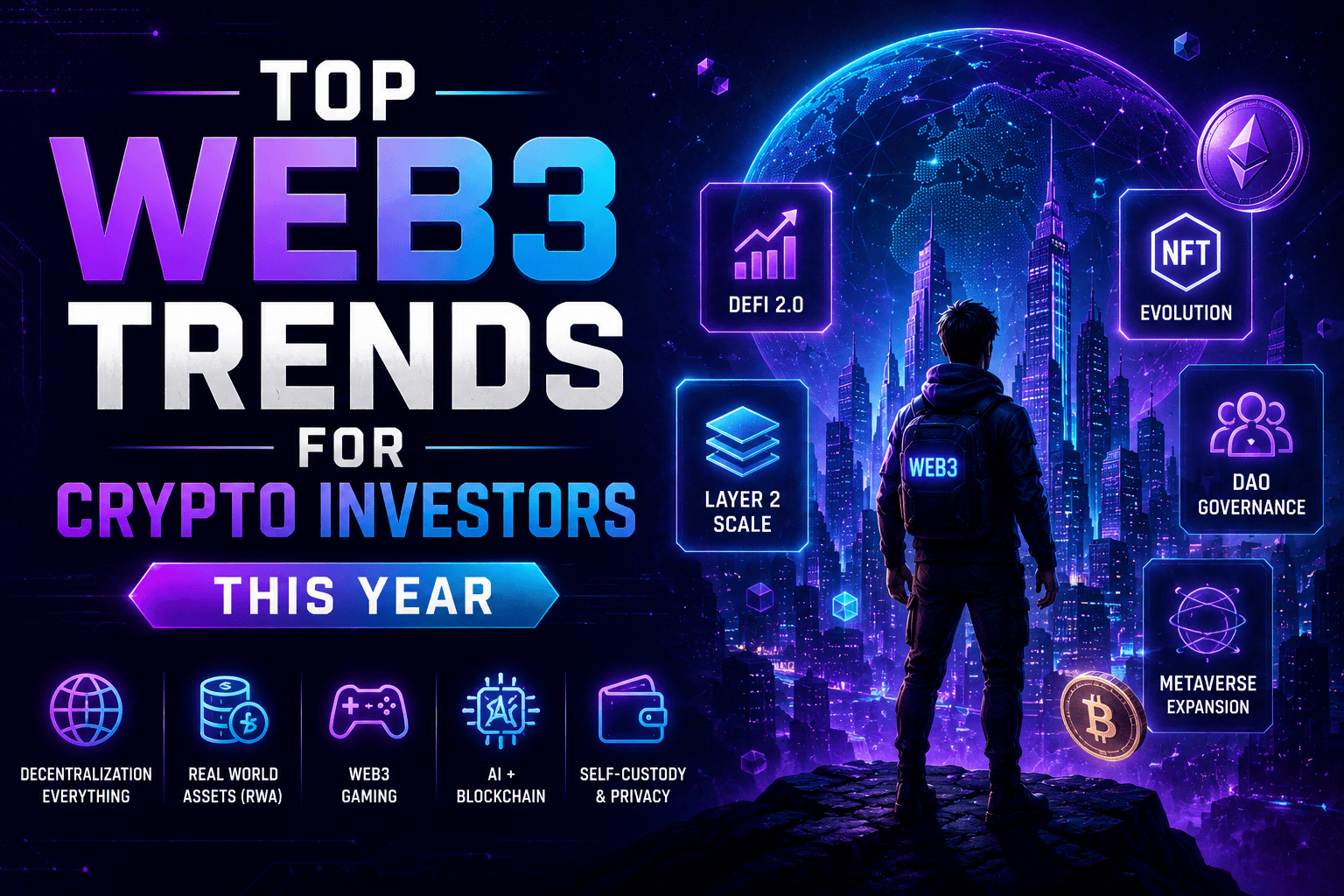
Top Web3 Trends Every Crypto Investor Should Know This Year
The world of cryptocurrency and blockchain technology is in a perpetual state of evolution. What was cutting-edge yesterday can be commonplace today, and entirely new paradigms emerge with breathtaking speed. For crypto investors, staying ahead of the curve isn’t just an advantage; it’s a necessity for navigating this dynamic landscape and identifying opportunities for growth. This year, several key Web3 trends are shaping the future of decentralized technology and presenting compelling investment prospects. Understanding these trends is crucial for any serious crypto investor looking to make informed decisions.
Web3, often described as the next iteration of the internet, is built on principles of decentralization, blockchain technology, and token-based economics. It aims to shift power from centralized entities to users, fostering greater transparency, security, and user ownership. As this vision continues to materialize, several exciting developments are capturing the attention of investors and innovators alike.
1. The Maturation of Decentralized Finance (DeFi)
Decentralized Finance (DeFi) has moved beyond its initial hype cycle and is demonstrating increasing maturity and utility. While early DeFi platforms were often experimental and prone to volatility, this year sees a more robust and integrated ecosystem.
Key Aspects of DeFi Maturation:
- Increased Institutional Adoption: More traditional financial institutions are exploring and integrating with DeFi protocols. This includes offering crypto-related services, investing in DeFi projects, and even building their own decentralized infrastructure. This institutional interest brings significant capital and legitimacy to the DeFi space.
- Improved User Experience (UX): Early DeFi interfaces were notoriously complex, acting as a barrier to entry for many users. Developers are now prioritizing user-friendly interfaces, intuitive wallets, and streamlined onboarding processes, making DeFi more accessible to a broader audience.
- Cross-Chain Interoperability: The fragmentation of DeFi across different blockchains has been a challenge. Significant progress is being made in cross-chain bridges and protocols that allow assets and data to move seamlessly between various networks (e.g., Ethereum, Solana, Polygon, Avalanche). This interoperability unlocks greater liquidity and expands the reach of DeFi applications.
- Regulatory Clarity (Emerging): While still a developing area, there’s a growing global conversation around regulating DeFi. While this can present challenges, it also signals a move towards greater stability and investor protection, which can encourage further adoption. Investors should keep a close eye on regulatory developments in key jurisdictions.
- Yield Farming and Staking Evolution: Beyond simple yield farming, more sophisticated strategies are emerging. This includes liquid staking derivatives, which allow users to stake their assets while retaining liquidity, and structured products that offer diversified risk and return profiles within DeFi.
Investment Opportunities in DeFi:
- Blue-chip DeFi Protocols: Invest in established and well-governed DeFi protocols with strong Total Value Locked (TVL) and a proven track record. Examples include decentralized exchanges (DEXs) like Uniswap and Curve, lending protocols like Aave and Compound, and stablecoin issuers like MakerDAO.
- Cross-Chain Solutions: Projects focused on enabling seamless cross-chain communication and asset transfer are poised for growth as the multi-chain future solidifies.
- DeFi Infrastructure Providers: Companies and protocols building the underlying infrastructure for DeFi, such as oracle providers (e.g., Chainlink), blockchain analytics firms, and security auditors, are essential components of the ecosystem.
2. The Rise of Real-World Assets (RWAs) on the Blockchain
One of the most transformative trends in Web3 is the tokenization of Real-World Assets (RWAs). This involves representing tangible or intangible assets like real estate, stocks, bonds, commodities, and even intellectual property as digital tokens on a blockchain.
Why RWAs Matter:
- Increased Liquidity: Many RWAs are traditionally illiquid. Tokenization allows for fractional ownership and easier trading, unlocking significant liquidity for assets that were previously difficult to buy or sell.
- Greater Accessibility: Investors can gain exposure to high-value assets like commercial real estate or private equity with smaller capital outlays through fractional ownership.
- Enhanced Transparency and Efficiency: Blockchain’s inherent transparency and immutability can streamline processes like title transfer, ownership verification, and dividend distribution, reducing costs and potential for fraud.
- Global Market Access: Tokenized RWAs can be traded 24/7 across borders, opening up global investment opportunities for a wider range of participants.
Examples of Tokenized RWAs:
- Real Estate: Tokenizing properties allows for fractional ownership, making real estate investment more accessible and liquid. Platforms are emerging that enable the tokenization and trading of commercial and residential properties.
- Stocks and Bonds: Companies are exploring tokenizing traditional securities, potentially leading to more efficient trading and settlement processes.
- Commodities: Gold, oil, and other commodities can be tokenized, allowing for easier trading and hedging strategies.
- Art and Collectibles: High-value art pieces and rare collectibles can be tokenized, enabling fractional ownership and easier provenance tracking.
Investment Opportunities in RWAs:
- Tokenization Platforms: Invest in companies and protocols building the technology and infrastructure for tokenizing RWAs.
- Asset-Backed Tokens: Identify well-vetted projects that are tokenizing high-quality, stable assets with clear legal frameworks.
- DeFi Protocols Integrating RWAs: Look for DeFi platforms that are actively incorporating tokenized RWAs into their lending, borrowing, and trading protocols, creating new avenues for yield generation.
3. The Evolution of NFTs Beyond Collectibles
Non-Fungible Tokens (NFTs) have moved far beyond their initial association with digital art and collectibles. This year, NFTs are demonstrating their potential as utility tokens, unlocking access, enabling governance, and representing ownership in innovative ways.
How Blockchain Technology Is Changing Supply Chain Management
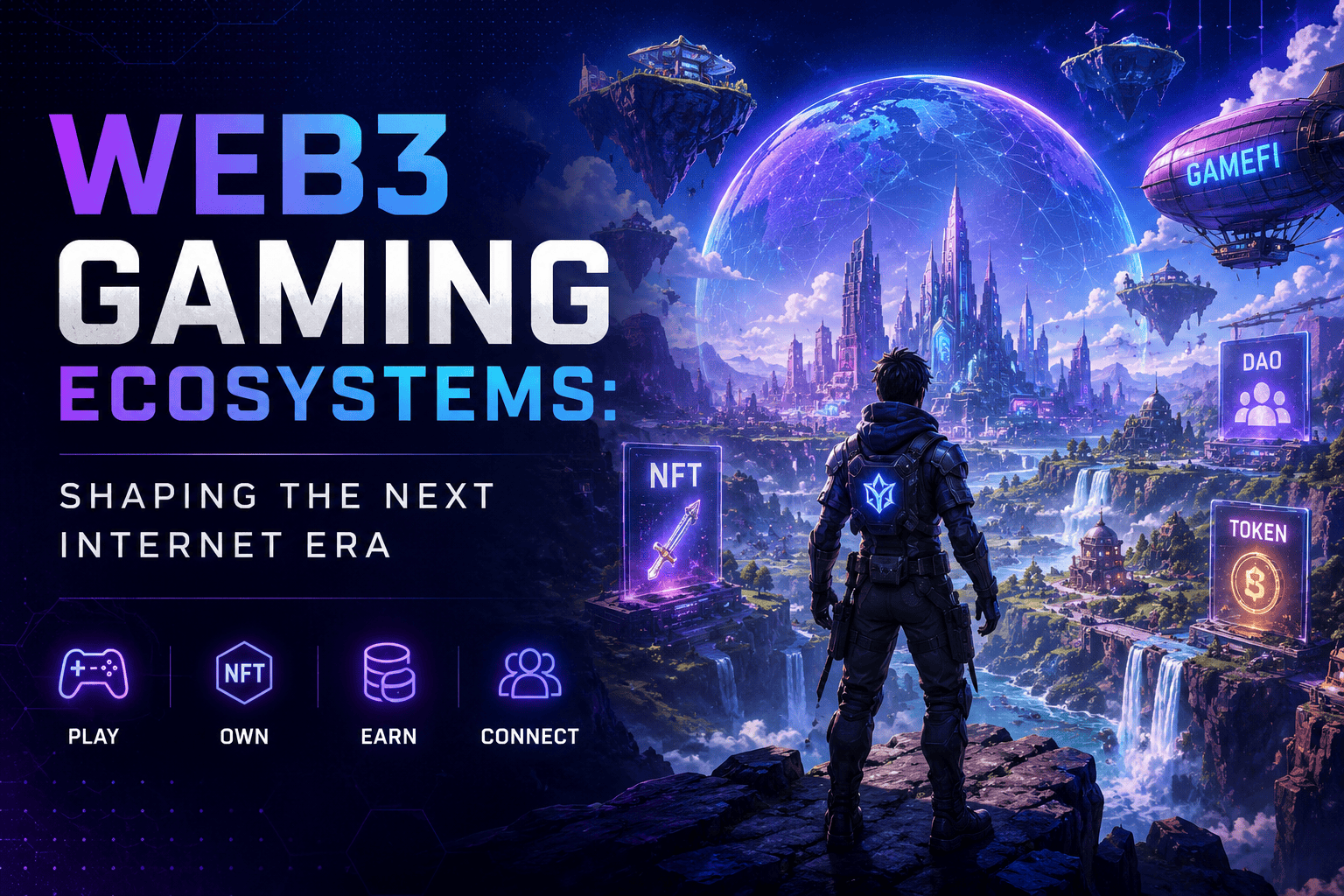
Web3 Gaming Ecosystems: Shaping the Next Internet Era
Mariam Naficy Net Worth 2026: Minted Founder, Arcade CEO’s Wealth
Key Developments in NFT Utility:
- NFTs as Access Keys: NFTs are increasingly used to grant holders access to exclusive communities, events, content, software features, and even physical spaces. This “token-gating” mechanism creates exclusive membership experiences.
- Gaming and Metaverse Integration: NFTs are fundamental to the play-to-earn (P2E) gaming model, representing in-game assets like characters, weapons, and land. As the metaverse develops, NFTs will be crucial for digital identity, ownership of virtual real estate, and interoperable assets across different virtual worlds.
- Intellectual Property and Royalties: NFTs can be used to represent ownership of intellectual property, allowing creators to embed royalty streams directly into the token, ensuring they receive a percentage of future sales.
- Ticketing and Loyalty Programs: NFTs offer a secure and verifiable way to issue event tickets, preventing fraud and enabling secondary market trading with built-in royalty mechanisms for organizers. They are also being explored for loyalty programs, offering unique rewards and experiences.
- Digital Identity and Credentials: NFTs can serve as verifiable digital credentials, such as diplomas, certifications, or proof of attendance, offering a secure and portable way to manage personal information.
Investment Opportunities in NFTs:
- Utility-Focused NFT Projects: Invest in NFT projects that offer tangible utility and long-term value beyond speculative trading. Look for strong communities, clear roadmaps, and innovative use cases.
- Gaming and Metaverse Infrastructure: Companies and protocols building the foundational technology for NFT integration in gaming and the metaverse, including marketplaces, development tools, and interoperability solutions.
- Creator Economy Platforms: Projects empowering creators to leverage NFTs for monetization, community building, and intellectual property management.
4. The Growing Importance of Layer 2 Scaling Solutions
As blockchain networks like Ethereum become more popular, they face challenges with scalability, leading to higher transaction fees and slower confirmation times. Layer 2 (L2) scaling solutions are designed to address these issues by processing transactions off the main blockchain (Layer 1) while still inheriting its security.
Why L2 Solutions are Crucial:
- Reduced Transaction Costs: L2 solutions significantly lower gas fees, making microtransactions and frequent usage of dApps economically viable.
- Increased Transaction Throughput: By processing transactions off-chain, L2s can handle a much higher volume of transactions per second compared to Layer 1 networks.
- Improved User Experience: Faster transaction times and lower costs directly translate to a smoother and more enjoyable user experience for dApp users.
- Enabling New Use Cases: The scalability provided by L2s opens the door for new applications and business models that were previously impractical on congested Layer 1 networks.
Types of L2 Solutions:
- Rollups: These are the most prominent L2 solutions. They bundle multiple transactions into a single batch and submit a compressed summary to the Layer 1 chain.
- Optimistic Rollups: Assume transactions are valid by default and have a challenge period where fraud can be reported. Examples include Optimism and Arbitrum.
- Zero-Knowledge (ZK) Rollups: Use cryptographic proofs (ZK-SNARKs or ZK-STARKs) to mathematically verify the validity of transactions before submitting them to Layer 1. Examples include zkSync and StarkNet.
- State Channels: Allow participants to conduct numerous transactions off-chain between themselves, only settling the final state on the main blockchain.
- Sidechains: Independent blockchains that are connected to a main chain, allowing for asset transfer between them. They typically have their own consensus mechanisms and security models.
Investment Opportunities in L2 Scaling:
- L2 Network Tokens: Invest in the native tokens of prominent L2 scaling solutions. These tokens often have utility within their respective ecosystems, such as for paying transaction fees or participating in governance.
- Projects Building on L2s: As L2 adoption grows, dApps and protocols that are built or migrating to these scaling solutions will benefit from their enhanced capabilities.
- L2 Infrastructure Providers: Companies developing tools and services that support the L2 ecosystem, such as bridges, explorers, and developer frameworks.
5. The Decentralized Autonomous Organization (DAO) Renaissance
Decentralized Autonomous Organizations (DAOs) are blockchain-based organizations governed by smart contracts and community consensus, rather than a central authority. While DAOs have been around for some time, this year sees a significant expansion in their scope, sophistication, and adoption across various sectors.
Key Aspects of DAO Evolution:
- Broader Applications: DAOs are no longer limited to governing DeFi protocols. They are being used to manage investment funds, social clubs, creator collectives, grant programs, and even physical assets.
- Improved Governance Mechanisms: As DAOs mature, so do their governance frameworks. This includes more nuanced voting systems, delegation of voting power, and mechanisms for treasury management and proposal execution.
- Legal Wrappers and Recognition: Some DAOs are exploring legal structures to interact more effectively with the traditional legal and financial systems, offering a path towards greater legitimacy and liability protection.
- Interoperability and Collaboration: DAOs are increasingly collaborating with each other, pooling resources, and working on shared objectives, fostering a more interconnected decentralized ecosystem.
- Focus on Treasury Management: Effective management of the DAO’s treasury is critical. This year sees a greater emphasis on sophisticated treasury diversification, yield generation, and risk management strategies.
Investment Opportunities in DAOs:
- DAO Governance Tokens: Invest in the native tokens of DAOs that demonstrate strong community engagement, clear objectives, and effective governance. These tokens often grant voting rights and a share in the organization’s success.
- DAO Tooling and Infrastructure: Projects building the software and services that enable DAOs to operate more efficiently, such as voting platforms, treasury management tools, and identity solutions.
- Investment DAOs: Consider investing in DAOs specifically designed for pooling capital and making collective investments in promising Web3 projects, provided they have a robust due diligence process and transparent operations.
6. The Continued Growth of Decentralized Identity (DID) and Self-Sovereign Identity (SSI)
In an era dominated by centralized data silos and privacy concerns, Decentralized Identity (DID) and Self-Sovereign Identity (SSI) are gaining significant traction. These technologies empower individuals to control their digital identities and share personal data selectively and securely.
The Significance of DIDs and SSI:
- User Control and Privacy: Users own and control their identity data, deciding who to share it with and for what purpose, rather than relying on third-party custodians.
- Enhanced Security: DIDs are typically anchored to decentralized ledgers, making them resistant to single points of failure and tampering.
- Reduced Data Breaches: By minimizing the amount of personal data stored by centralized entities, the risk and impact of large-scale data breaches are significantly reduced.
- Streamlined Verification: DIDs allow for verifiable credentials, enabling individuals to prove aspects of their identity (e.g., age, qualifications) without revealing unnecessary personal information.
- Web3 Integration: DIDs are fundamental to building a truly decentralized internet, enabling secure logins, personalized experiences, and participation in DAOs and other decentralized applications without relying on traditional email/password systems.
Investment Opportunities in DIDs and SSI:
- DID Infrastructure Providers: Projects developing the underlying protocols, standards, and tools for creating and managing decentralized identifiers.
- Verifiable Credential Issuers and Verifiers: Companies and platforms that facilitate the issuance and verification of digital credentials using DID technology.
- Web3 Applications Leveraging DIDs: As more dApps integrate DID solutions for secure logins and personalized experiences, these applications will become more attractive.
7. The Interoperability Revolution: Bridging Blockchains
The blockchain landscape is increasingly multi-chain, with various networks offering different strengths and specializations. Interoperability – the ability for different blockchains to communicate and exchange data and assets seamlessly – is no longer a luxury but a necessity for the maturation of Web3.
Key Aspects of Interoperability:
- Cross-Chain Bridges: These protocols allow users to transfer assets from one blockchain to another. While some bridges have faced security challenges, the technology is rapidly improving with more robust and secure designs.
- Interoperability Protocols: Projects like Cosmos’s Inter-Blockchain Communication (IBC) protocol and Polkadot’s parachains are building frameworks for direct communication and asset transfer between sovereign blockchains.
- Cross-Chain dApps: Applications are being developed that can operate across multiple blockchains simultaneously, leveraging the strengths of each network.
- Unified Liquidity: Interoperability solutions aim to break down liquidity silos, allowing capital to flow freely across different ecosystems, leading to more efficient markets.
Investment Opportunities in Interoperability:
- Cross-Chain Bridge Projects: Invest in well-audited and secure cross-chain bridge solutions that have a strong track record.
- Interoperability Protocol Tokens: Projects like Cosmos (ATOM) and Polkadot (DOT) are foundational to a multi-chain future and their native tokens are key investment considerations.
- dApps Designed for Multi-Chain Environments: Applications that can function seamlessly across multiple blockchains will have a broader reach and user base.
Conclusion: Navigating the Future of Web3
The Web3 landscape is a rapidly evolving ecosystem, and staying informed about the latest trends is paramount for any crypto investor. This year, the maturation of DeFi, the rise of Real-World Assets on the blockchain, the expanding utility of NFTs, the critical role of Layer 2 scaling solutions, the renaissance of DAOs, the growing importance of decentralized identity, and the ongoing interoperability revolution are all key areas to watch.
Each of these trends represents not only technological advancements but also significant investment opportunities. By understanding the underlying principles, potential applications, and associated risks of these trends, crypto investors can position themselves to capitalize on the transformative power of Web3. As always, thorough research, a diversified portfolio, and a long-term perspective are essential for navigating this exciting and dynamic market. The future of the internet is being built on blockchain, and those who understand its trajectory are best placed to benefit.
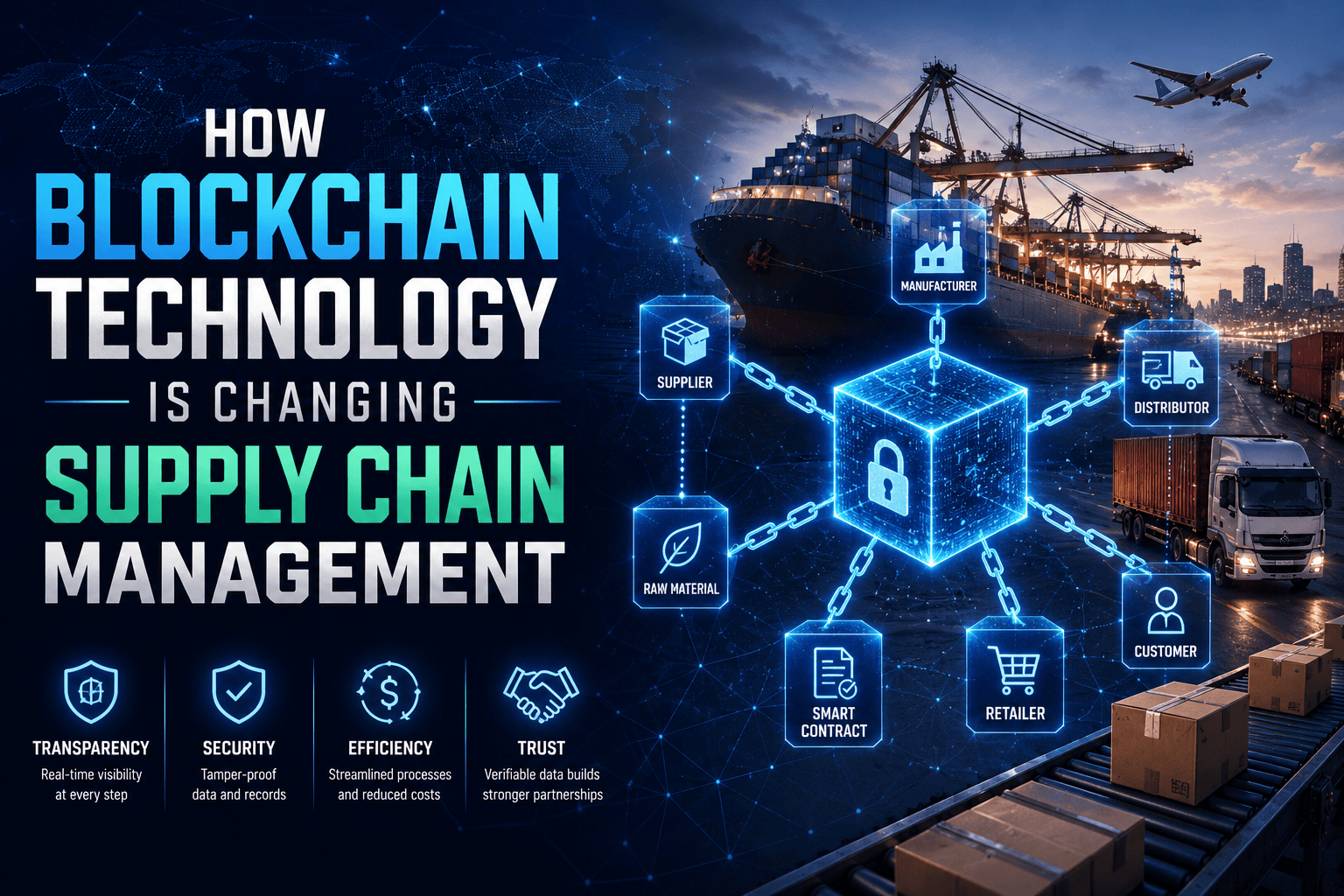
How Blockchain Technology Is Changing Supply Chain Management
The global supply chain is a marvel of modern logistics, a complex web of interconnected processes, organizations, and technologies that move goods from raw materials to the hands of the consumer. Yet, beneath this intricate facade lie deep-seated challenges: a pervasive lack of transparency, persistent trust deficits, staggering inefficiencies, and the constant threat of fraud. These issues cost industries billions annually, delay critical goods, and erode consumer confidence.
However, a revolutionary technology is emerging from the digital ether, promising to untangle these complexities and redefine the very fabric of global commerce: blockchain. Originally conceived as the underlying technology for cryptocurrencies like Bitcoin, blockchain’s unique properties—decentralization, immutability, and cryptographic security—are proving to be powerful tools for transforming the antiquated systems that govern supply chains. By creating a shared, unchangeable record of every transaction and movement, blockchain offers an unprecedented level of visibility, trust, and efficiency, setting the stage for a new era of supply chain management.
Understanding Blockchain: A Quick Primer
Before delving into its transformative power, it’s essential to grasp the core concepts of blockchain technology. At its heart, a blockchain is a distributed ledger technology (DLT) that records transactions across a network of computers. Unlike traditional centralized databases, there is no single point of control; instead, all participants maintain a copy of the ledger.
Here’s how it works:
- Blocks: Transactions are grouped into “blocks” of data.
- Chains: Each block is cryptographically linked to the previous one, forming an unbroken “chain.”
- Immutability: Once a block is added to the chain, it cannot be altered or deleted, making the record permanent and tamper-proof.
- Decentralization: The ledger is distributed across multiple nodes (computers) in the network. No single entity owns or controls the entire chain.
- Consensus Mechanisms: All participants must agree on the validity of new transactions before they are added to the chain, ensuring data integrity.
- Cryptography: Advanced encryption techniques secure the data within each block and between blocks, protecting sensitive information.
For supply chain management, these characteristics translate into unparalleled security, transparency (which can be selectively managed for privacy), and a single, undisputed source of truth accessible to all authorized parties.
Core Problems in Traditional Supply Chains That Blockchain Addresses
To fully appreciate blockchain’s impact, it’s crucial to understand the fundamental flaws it seeks to rectify in conventional supply chains:
Lack of Transparency and Traceability
In a typical supply chain, tracking a product from its origin to the end consumer is often a fragmented and arduous task. Information is siloed within different companies’ systems, making it nearly impossible to gain real-time, end-to-end visibility. This opacity makes it difficult to pinpoint the source of issues like contamination, ethical breaches, or delays.
Web3 Gaming Ecosystems: Shaping the Next Internet Era
Decentralized Identity Could Replace Traditional Logins in 2026
Why Ethereum Layer-2Networks Are Dominating Web3 Growth Explained
Trust Deficiencies
Every hand a product passes through represents a potential point of failure or dispute. With multiple intermediaries—suppliers, manufacturers, distributors, logistics providers—trust is often built on contractual agreements and audits, which are reactive and can be costly. Disagreements over product quality, delivery times, or payment terms are common, leading to delays and legal battles.
Inefficiencies and Delays
Traditional supply chains are often bogged down by manual processes, extensive paperwork, and redundant data entry. Reconciling discrepancies across different systems can take days or weeks. This inefficiency translates into higher operational costs, longer lead times, and increased risk of human error.
Fraud and Counterfeiting
The lack of a verifiable, immutable record makes supply chains vulnerable to fraud and the proliferation of counterfeit goods. From fake luxury items to illicit pharmaceuticals, counterfeit products not only harm brands financially but can also pose significant health and safety risks to consumers. Proving a product’s authenticity after it has left the manufacturer is a monumental challenge.
Data Silos
Each participant in a supply chain typically operates its own proprietary system, leading to isolated pockets of information. Integrating these disparate systems is complex and expensive, creating bottlenecks in information flow and hindering collaborative decision-making.
Compliance and Regulatory Challenges
Meeting stringent regulatory requirements, especially in industries like food, pharmaceuticals, and aerospace, demands meticulous record-keeping and verifiable proof of adherence. Demonstrating compliance across a global supply chain can be an administrative nightmare, exposing companies to fines and reputational damage.
How Blockchain Transforms Key Aspects of Supply Chain Management
Blockchain’s unique attributes offer direct solutions to these pervasive problems, fundamentally reshaping how goods are moved, tracked, and managed.
Enhanced Transparency and End-to-End Traceability
One of blockchain’s most compelling benefits is its ability to provide unprecedented transparency and traceability throughout the entire supply chain. Every step a product takes—from the sourcing of raw materials, through manufacturing, packaging, shipping, and delivery—can be recorded as an immutable transaction on the blockchain.
- Real-time Tracking: Participants can track goods in near real-time, knowing their exact location, condition, and who has handled them. This eliminates blind spots and provides a comprehensive audit trail.
- Origin Verification: Consumers and businesses alike can verify the origin of products, ensuring ethical sourcing, organic claims, or specific geographical provenance. This is particularly valuable in industries like food, luxury goods, and conflict minerals.
- Rapid Recall Management: In the event of a product recall (e.g., contaminated food or faulty components), blockchain allows companies to pinpoint the exact affected batch and its distribution path almost instantly. This drastically reduces the scope and cost of recalls, saving lives and protecting brands.
Example: Walmart famously piloted a blockchain solution with IBM Food Trust to trace leafy greens from farm to store. What once took days or weeks to trace a product back to its farm of origin now takes mere seconds, dramatically improving food safety and consumer confidence.
Building Trust and Accountability Among Stakeholders
Blockchain inherently fosters trust by creating a shared, immutable ledger that all authorized participants can access and verify. This eliminates the need for intermediaries to act as guarantors of trust.
- Shared, Immutable Record: All parties operate from a single, consistent version of the truth. Disputes arising from conflicting data become obsolete, as every event is timestamped and cryptographically secured.
- Reduced Disputes: With a clear, verifiable record of every transaction, accountability is enhanced. If a shipment is delayed or damaged, the blockchain can quickly identify where and when the issue occurred, reducing finger-pointing and facilitating quicker resolutions.
- Smart Contracts: These self-executing contracts, programmed to automatically execute actions when predefined conditions are met, are a game-changer. For example, a smart contract could automatically release payment to a supplier once a shipment is verified as delivered and meeting quality standards, without manual intervention or bank approvals. This accelerates payments and reduces administrative overhead.
Example: In international freight logistics, smart contracts can automate customs documentation, insurance payouts, and payments upon successful delivery, significantly speeding up complex cross-border transactions and reducing the risk of fraud.
Streamlining Operations and Improving Efficiency
The automation and data integrity offered by blockchain lead to significant operational efficiencies, reducing costs and accelerating processes.
- Automated Processes: Smart contracts remove the need for manual checks, approvals, and reconciliation, automating workflows that were previously slow and prone to error.
- Reduced Paperwork: Digital records on the blockchain replace mountains of physical documents, bills of lading, customs forms, and invoices. This not only saves paper but also eliminates the time and cost associated with processing, storing, and retrieving physical documents.
- Faster Settlements: Automated payments via smart contracts ensure that suppliers are paid promptly upon fulfilling their obligations, improving cash flow for all parties and strengthening supplier relationships.
- Optimized Inventory Management: With real-time visibility into inventory levels and movement across the entire supply chain, companies can make more informed decisions about ordering, stocking, and distribution, minimizing waste and optimizing resource allocation.
Example: Shipping giant Maersk, in partnership with IBM, developed TradeLens, a blockchain platform designed to digitize and streamline global shipping documentation. It aims to reduce the billions of dollars lost annually due to inefficient paper-based processes and improve transparency across the complex ecosystem of ports, customs authorities, and ocean carriers.
Combating Counterfeiting and Ensuring Product Authenticity
Counterfeiting is a multi-trillion-dollar global problem, impacting everything from luxury goods and pharmaceuticals to electronics and automotive parts. Blockchain offers a robust defense against this illicit trade.
- Digital Fingerprints: Each product can be assigned a unique digital identity (e.g., a QR code, NFC tag, or serial number) linked to a blockchain record. This record contains immutable information about the product’s origin, manufacturing date, batch number, and ownership history.
- Consumer Verification: Consumers can scan the product’s digital identifier to instantly verify its authenticity and trace its journey, empowering them to make informed purchasing decisions and build trust in brands.
- Brand Protection: By providing an indisputable record of authenticity, blockchain helps brands protect their intellectual property, revenue, and reputation from counterfeiters.
Example: De Beers, the world’s largest diamond producer, uses its Tracr blockchain platform to digitally track diamonds from mine to retailer. This ensures the authenticity and ethical sourcing of each stone, providing an immutable record of its journey and preventing the sale of conflict diamonds.
Improving Data Security and Integrity
Blockchain’s architectural design inherently enhances data security and integrity compared to centralized systems.
- Cryptographic Security: Data within each block is encrypted, and blocks are linked using cryptographic hashes, making it incredibly difficult for unauthorized parties to alter information without detection.
- Immutable Records: Once a transaction is recorded and validated, it becomes a permanent part of the blockchain. Any attempt to tamper with past records would be immediately evident to all network participants, as it would break the cryptographic chain.
- Resilience: The distributed nature of the ledger means there is no single point of failure. Even if one node goes offline, the network continues to operate, and data remains accessible and secure across other nodes.
Facilitating Ethical Sourcing and Sustainability
Growing consumer demand for ethically produced and sustainable goods, coupled with increasing regulatory pressure, makes verifiable sourcing crucial. Blockchain provides the tools to meet these demands.
- Tracking Ethical Practices: Companies can use blockchain to track and verify compliance with fair labor practices, sustainable farming methods, and responsible environmental stewardship throughout their supply chain.
- Compliance with Regulations: Blockchain provides an immutable audit trail to demonstrate adherence to environmental, social, and governance (ESG) standards, helping companies avoid fines and enhance their corporate social responsibility profile.
- Consumer Confidence: By offering transparent and verifiable proof of ethical sourcing, brands can build deeper trust with consumers who are increasingly prioritizing sustainability and social impact in their purchasing decisions.
Example: Projects are emerging in the coffee industry to use blockchain to track coffee beans from farm to cup, ensuring fair wages for farmers and verifying organic or fair-trade certifications. This empowers consumers to support truly ethical supply chains.
Challenges and Considerations for Blockchain Adoption in Supply Chains
Despite its immense potential, the widespread adoption of blockchain in supply chain management faces several hurdles:
- Scalability: Current blockchain networks, especially public ones, can struggle with the sheer volume of transactions required for global supply chains, which often involve millions of data points daily. Solutions like layer-2 protocols and specialized enterprise blockchains are addressing this.
- Interoperability: The supply chain ecosystem is vast, with many companies using different legacy systems and potentially different blockchain platforms. Ensuring seamless communication and data exchange between these disparate systems is a significant challenge.
- Cost of Implementation: The initial investment in blockchain technology, including infrastructure, software development, integration with existing systems, and training, can be substantial for many businesses.
- Regulatory Uncertainty: The legal and regulatory landscape for blockchain technology is still evolving. Issues around data ownership, smart contract enforceability, and cross-border data governance need clearer definitions.
- Data Privacy: While transparency is a core benefit, not all supply chain data needs to be public. Companies need solutions (like private blockchains, permissioned ledgers, or zero-knowledge proofs) to balance transparency with the need for confidentiality regarding sensitive commercial data.
- Consensus Among Stakeholders: A blockchain network is most effective when all participants agree to use it. Convincing numerous independent entities—suppliers, manufacturers, logistics providers, retailers—to adopt a new, shared system requires significant coordination and trust-building.
- Standardization: The lack of universal standards for blockchain protocols and data formats can hinder widespread adoption and create fragmentation within the industry.
Real-World Examples and Use Cases
The theoretical benefits of blockchain are increasingly being demonstrated through practical applications across various industries:
- IBM Food Trust: As mentioned, this platform allows participants in the food supply chain to trace products in seconds, significantly improving food safety and reducing waste during recalls.
- Maersk and TradeLens: This collaboration aims to digitize the global shipping industry, providing a shared, immutable record of shipping events, documents, and cargo status across the entire logistics ecosystem.
- De Beers Tracr: This platform tracks diamonds from mine to retailer, ensuring authenticity, ethical sourcing, and preventing the flow of conflict diamonds.
- Walmart’s Food Safety Initiative: Beyond leafy greens, Walmart has mandated its fresh produce suppliers to use blockchain for traceability, setting a precedent for large-scale adoption.
- Pharmaceutical Supply Chains: Companies are exploring blockchain to combat counterfeit drugs, track prescription medicines, and ensure compliance with regulations like the Drug Supply Chain Security Act (DSCSA) in the US.
- Luxury Goods: Brands like LVMH are using blockchain (Aura platform) to provide consumers with verifiable proof of authenticity and origin for their high-value products.
The Future of Supply Chain Management with Blockchain
The integration of blockchain technology into supply chain management is still in its nascent stages, but its trajectory suggests a future where supply chains are:
- Hyper-Transparent and Intelligent: Blockchain will increasingly integrate with other emerging technologies like the Internet of Things (IoT) for real-time data collection (e.g., temperature sensors, GPS trackers), Artificial Intelligence (AI) for predictive analytics, and Big Data for deeper insights. This will create truly intelligent and autonomous supply chains.
- Highly Automated: Smart contracts will automate an even wider range of processes, from order placement and inventory replenishment to customs clearance and dispute resolution, minimizing human intervention and error.
- More Resilient and Sustainable: Enhanced traceability and data integrity will allow companies to build more resilient supply chains, better equipped to handle disruptions, and to rigorously verify and report on their sustainability efforts.
- Consumer-Empowered: Consumers will have unprecedented access to information about the products they buy, driving demand for ethical sourcing, authenticity, and transparency.
- Globally Integrated: As interoperability improves and standards emerge, blockchain will facilitate seamless, trustless collaboration across global trade networks, fostering new business models and partnerships.
Conclusion: A Paradigm Shift for Global Commerce
Blockchain technology is not merely an incremental improvement; it represents a paradigm shift in how supply chains operate. By providing an immutable, transparent, and decentralized ledger, it addresses the foundational issues of trust, transparency, and efficiency that have plagued global commerce for decades. While challenges remain in scalability, interoperability, and adoption, the transformative potential is undeniable.
The journey towards fully blockchain-enabled supply chains will be complex, requiring collaboration across industries, technological innovation, and a willingness to rethink traditional processes. However, the reward is a future where supply chains are more secure, ethical, efficient, and ultimately, more trustworthy for businesses and consumers alike. Blockchain is not just changing supply chain management; it is laying the groundwork for a more honest and connected global economy.

Recommended Ad Networks for Websites: Boost Your Site’s Revenue

Top Web3 Startups to Watch in 2026

Adam Foroughi Biography: AppLovin CEO, Career, Education & Net Worth

Lucy Guo Biography: Scale AI Co-Founder, Passes CEO, Career & Net Worth.

Coding Bootcamps vs Computer Science Degrees: Which Offers Better Career Opportunities?

Liang Wenfeng: DeepSeek Founder Biography, Career, Education, and AI Impact
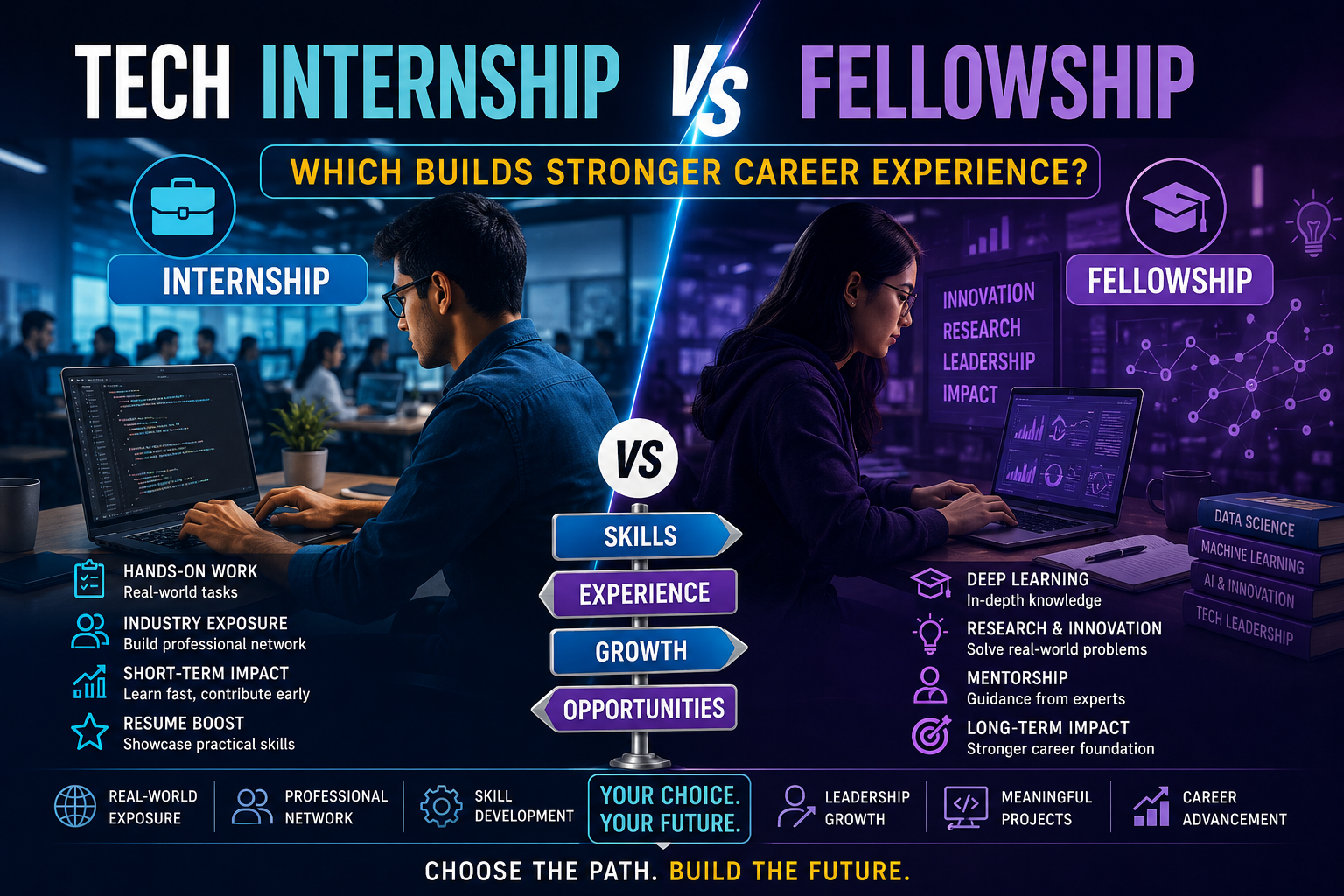
Tech Internship vs Fellowship: Which Builds Stronger Career Experience?
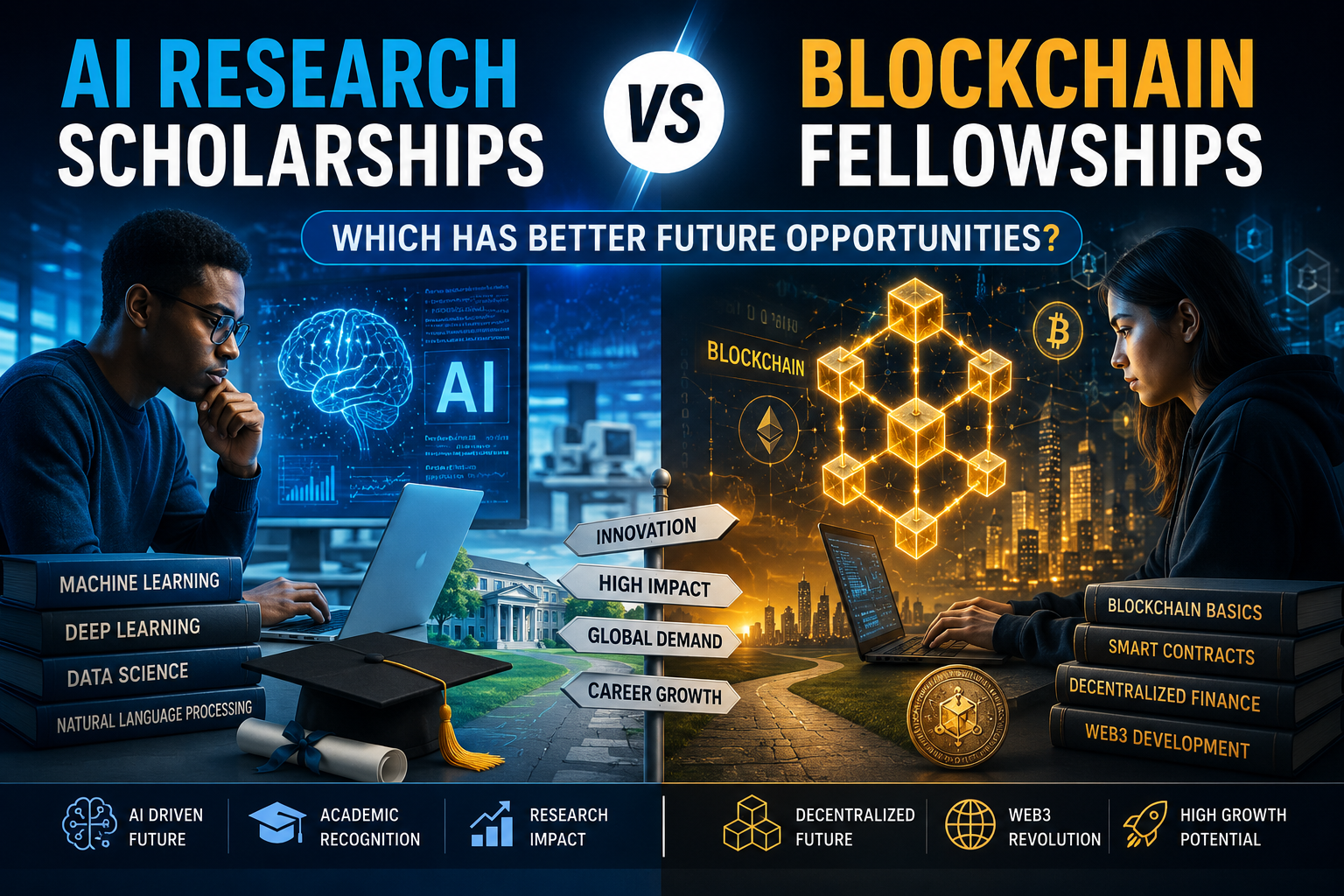
AI Research Scholarships vs Blockchain Fellowships: Which Has Better Future Opportunities?

Content AI 2.0: AI SEO Power Directly Inside WordPress
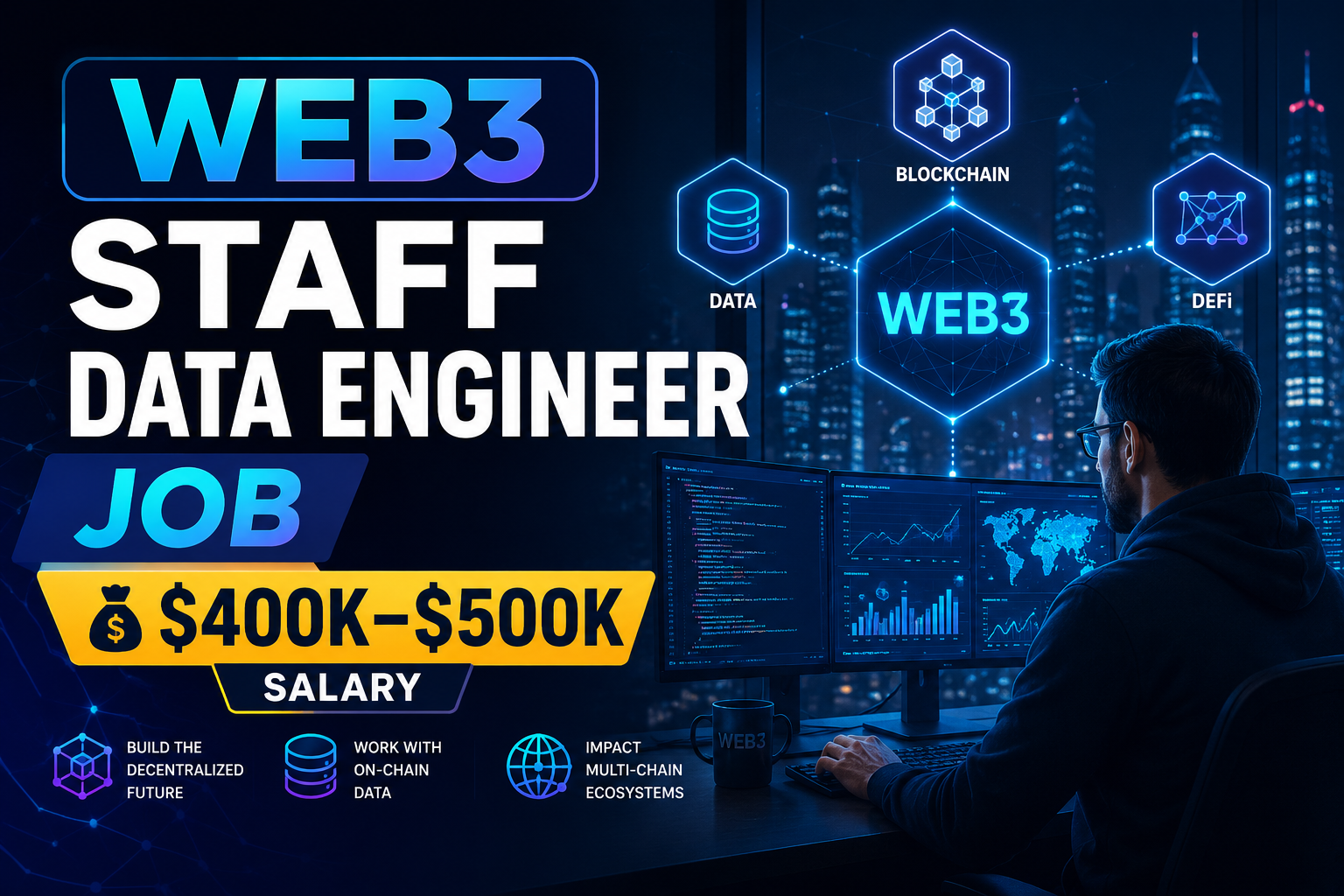
Web3 Staff Data Engineer Job: $400k-$500k Salary

Pixel 11 Pro XL Review: HiLight Is Its Most Disappointing New Feature

How to Make $1000 in a Day: Quick & Easy Methods

Samsung Galaxy S26 FE: Release Date Set for Next Week

Digital Training Academy 2026: FG Opens Portal for 36,000 Nigerians
WAEC GCE Registration 2026: Form, Fee, Closing Date & How to Register Online
Lucy Guo Biography: Scale AI Co-Founder, Passes CEO, Career & Net Worth.
Adam Foroughi Biography: AppLovin CEO, Career, Education & Net Worth
Liang Wenfeng: DeepSeek Founder Biography, Career, Education, and AI Impact
Coding Bootcamps vs Computer Science Degrees: Which Offers Better Career Opportunities?
Tech Internship vs Fellowship: Which Builds Stronger Career Experience?
Digital Training Academy 2026: FG Opens Portal for 36,000 Nigerians
Recommended Ad Networks for Websites: Boost Your Site’s Revenue
AI Research Scholarships vs Blockchain Fellowships: Which Has Better Future Opportunities?
Samsung Galaxy S26 FE: Release Date Set for Next Week
How to Make $1000 in a Day: Quick & Easy Methods
Top Web3 Startups to Watch in 2026
Pixel 11 Pro XL Review: HiLight Is Its Most Disappointing New Feature
Content AI 2.0: AI SEO Power Directly Inside WordPress
Web3 Staff Data Engineer Job: $400k-$500k Salary
-
 general post7 months ago
Semantics Ideas: Meaning, Types, and Examples Explained
-
 Tech Leaders & Biographies7 months ago
Hidden Costs of OpenAI API: 5 Things That Spike Your Bill
-
 general post9 months ago
NAFDAC Registration Guide for Nigerian Products in 2025
-
 general post2 years ago
Death of The of VTU Services in Nigeria: Causes, Implications, and Solutions
-
 Software2 years ago
How to Create a WebView App with a Website for Free and No Coding Knowledge
-
 Tech Leaders & Biographies7 months ago
Artificial Intelligence Transforming Global Economy in 2026
-
 Tech Leaders & Biographies7 months ago
Sidra Chain KYC Guide 2026: Step-by-Step Identity Verification on Blockchain
-
 Tech Leaders & Biographies7 months ago
Best Accredited Online Blockchain Certification Programs for 2026 US Careers
-
 Software8 months ago
Blogger Radio App v4.0.0 – Blogger API Free Download
-
 Tech Leaders & Biographies8 months ago
1000+ Free Backlinking Sites: Ultimate SEO Gem for Ranking